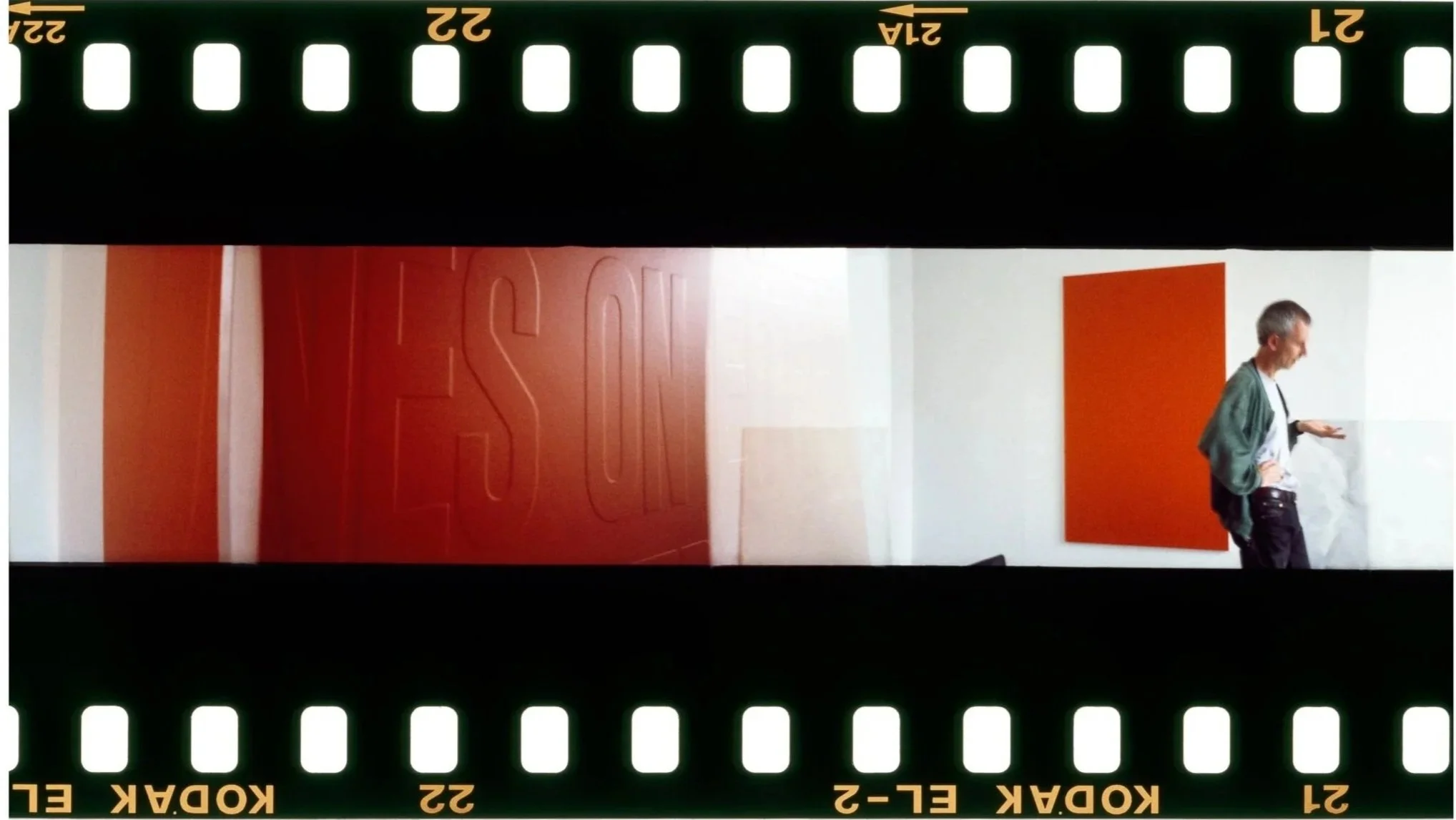
Alex Landrum, Curtain Road Arts, 1996
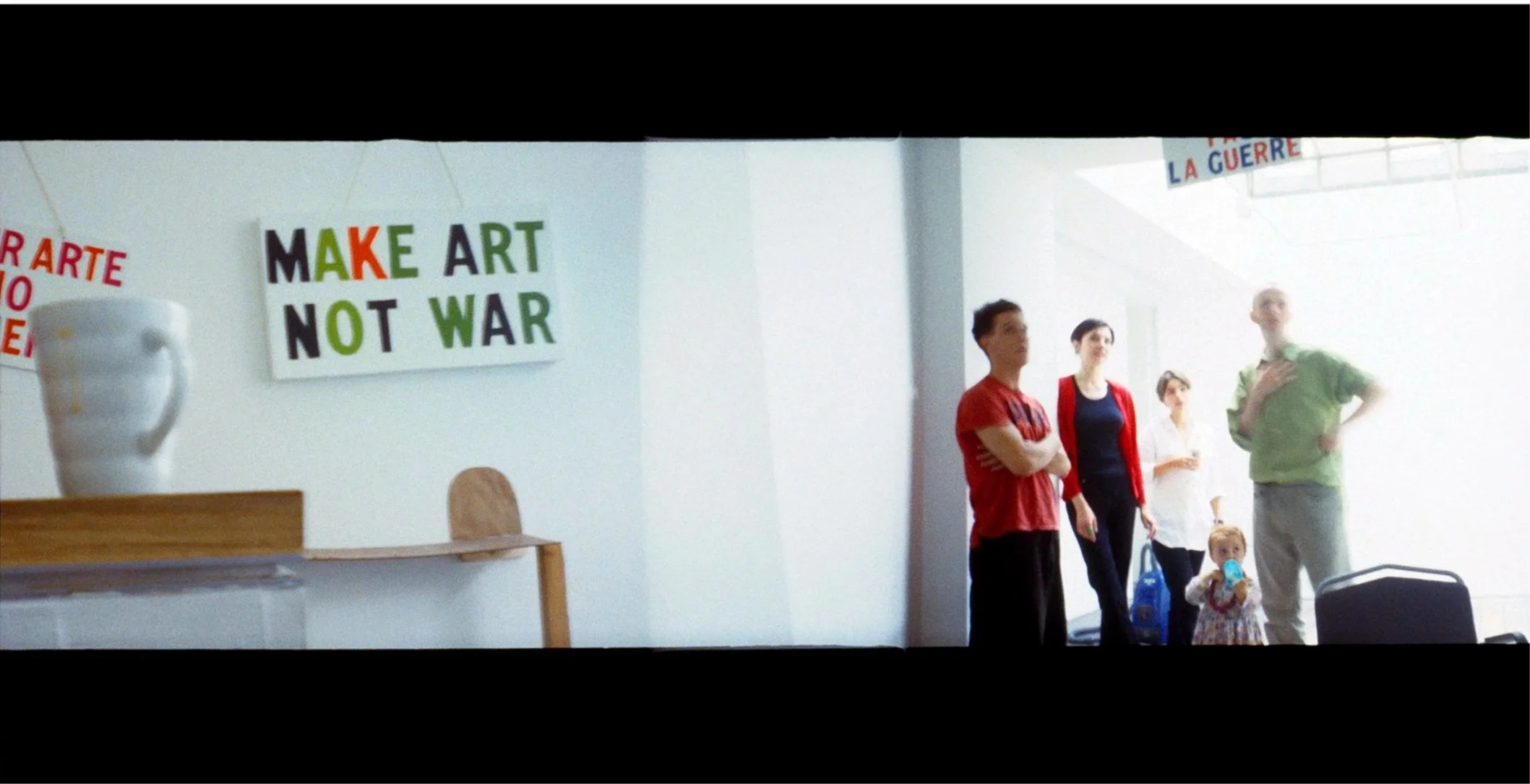
Bob and Roberta Smith “Make art not war”, 1997
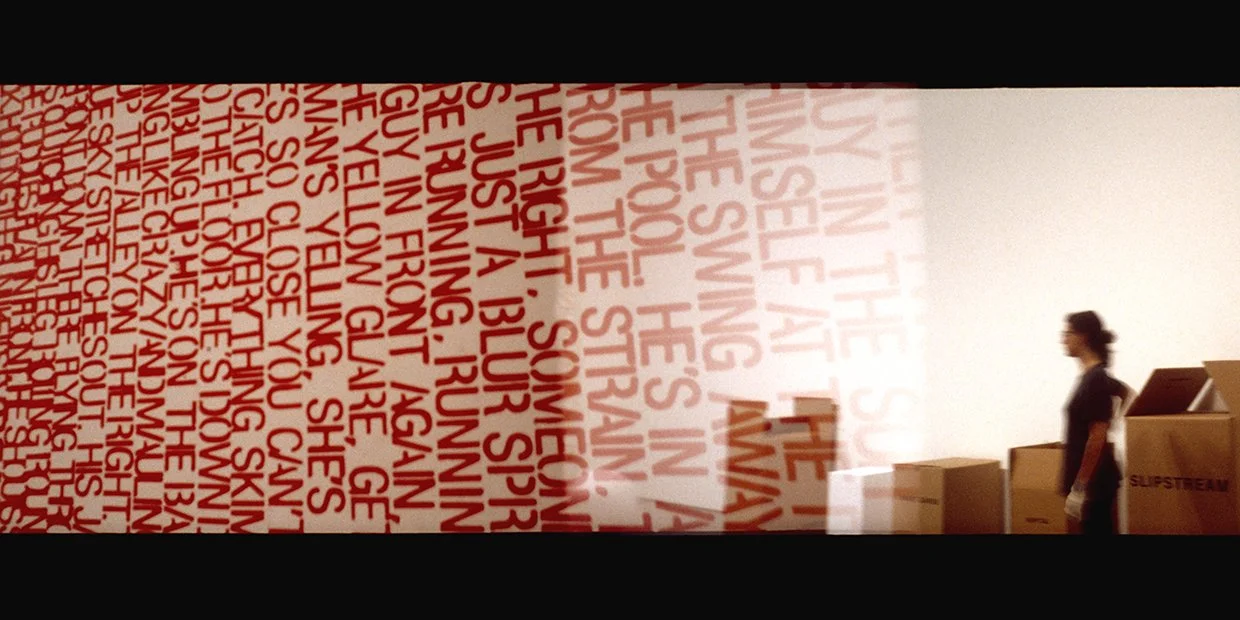
Fiona Banner. Break Point, Tate Britain, 1998
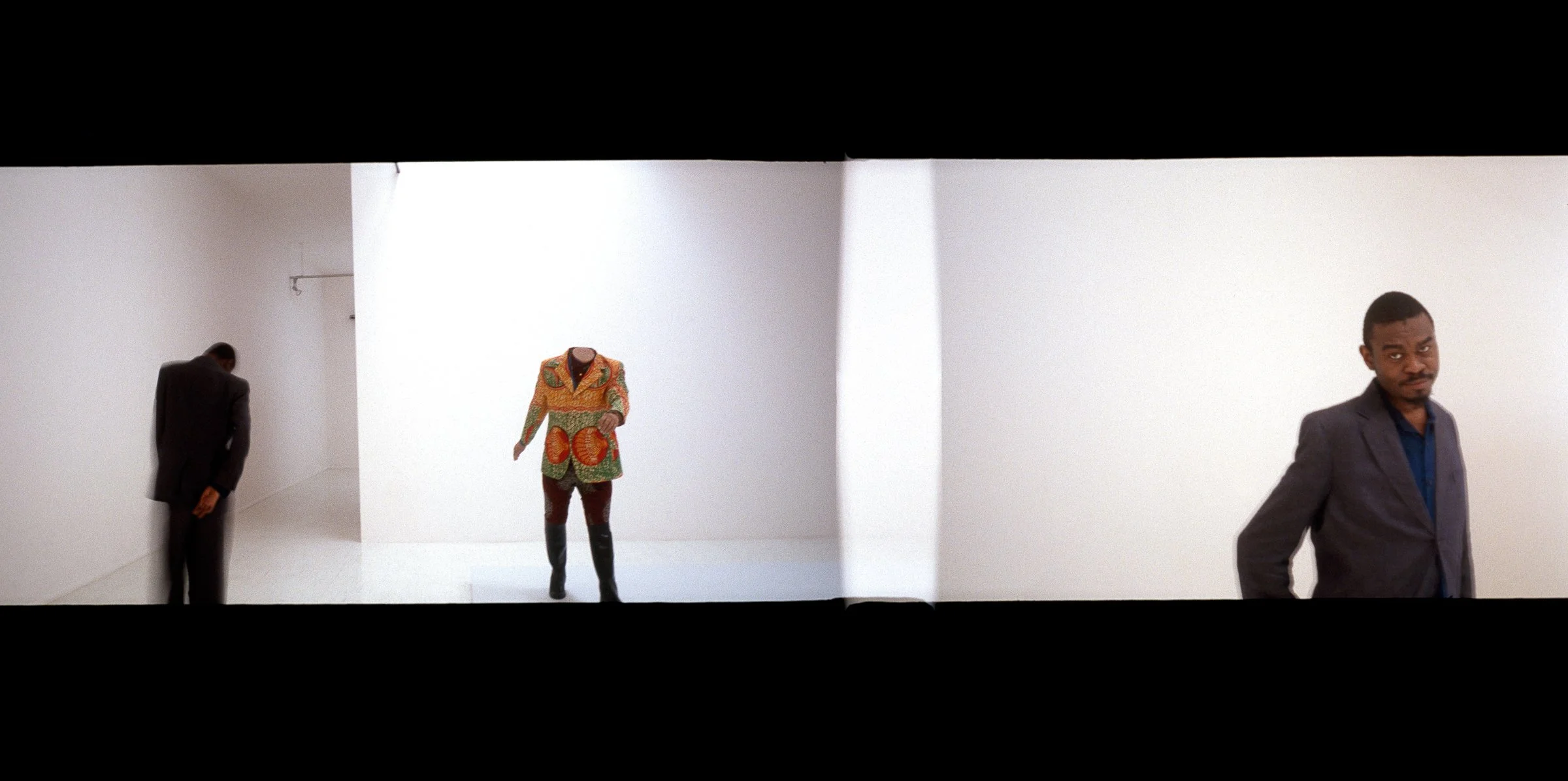
Yinka Shonibare. Camden Art Centre, 2000
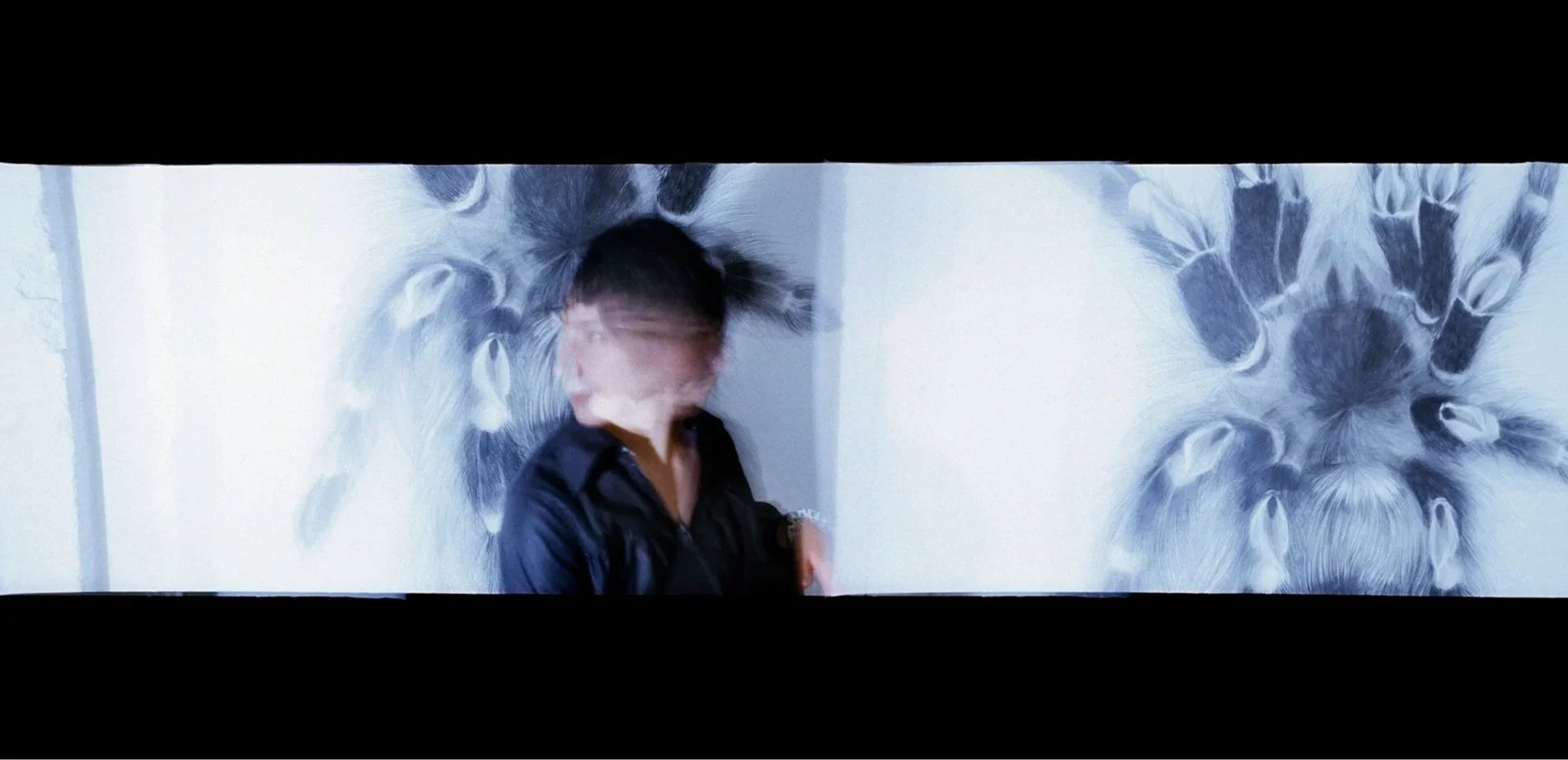
Margarita Gluzberg, Boundary studios London, 1996
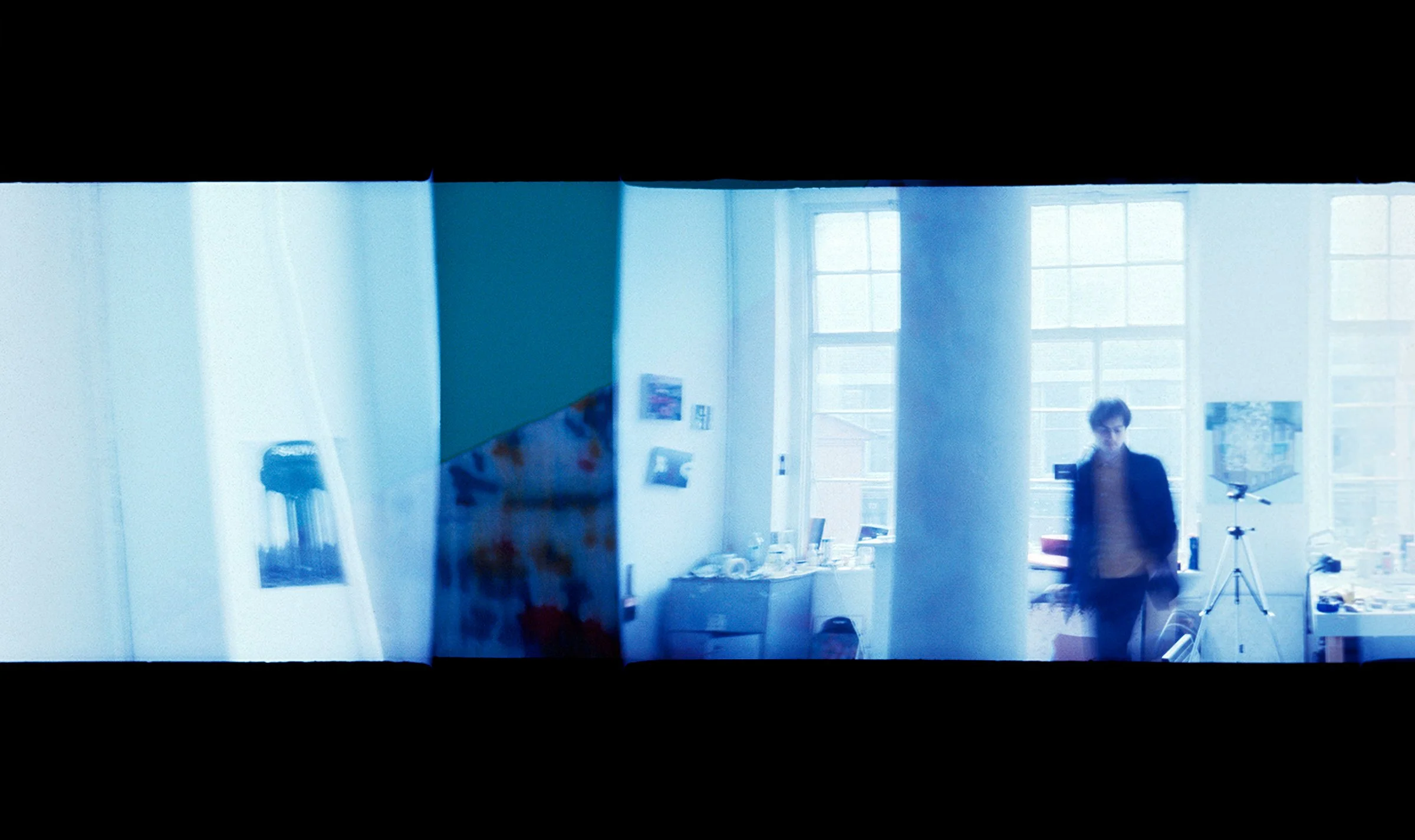
Dan Hays at his studio, Curtain Road Arts, 1997
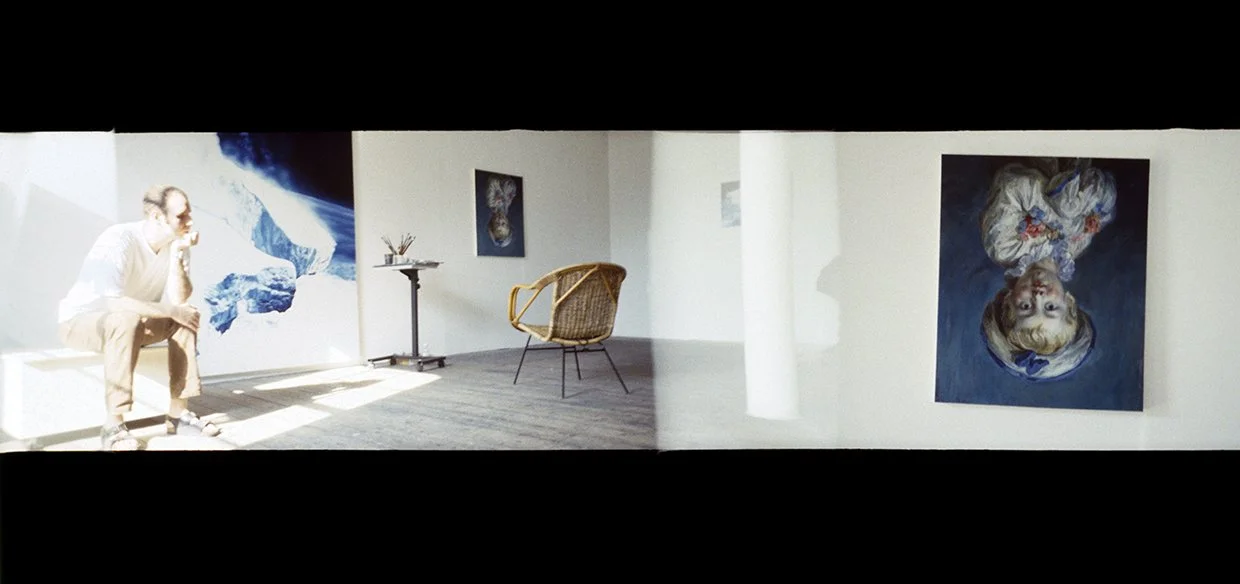
Glenn Brown at his studio, Curtain Road Arts, 1996
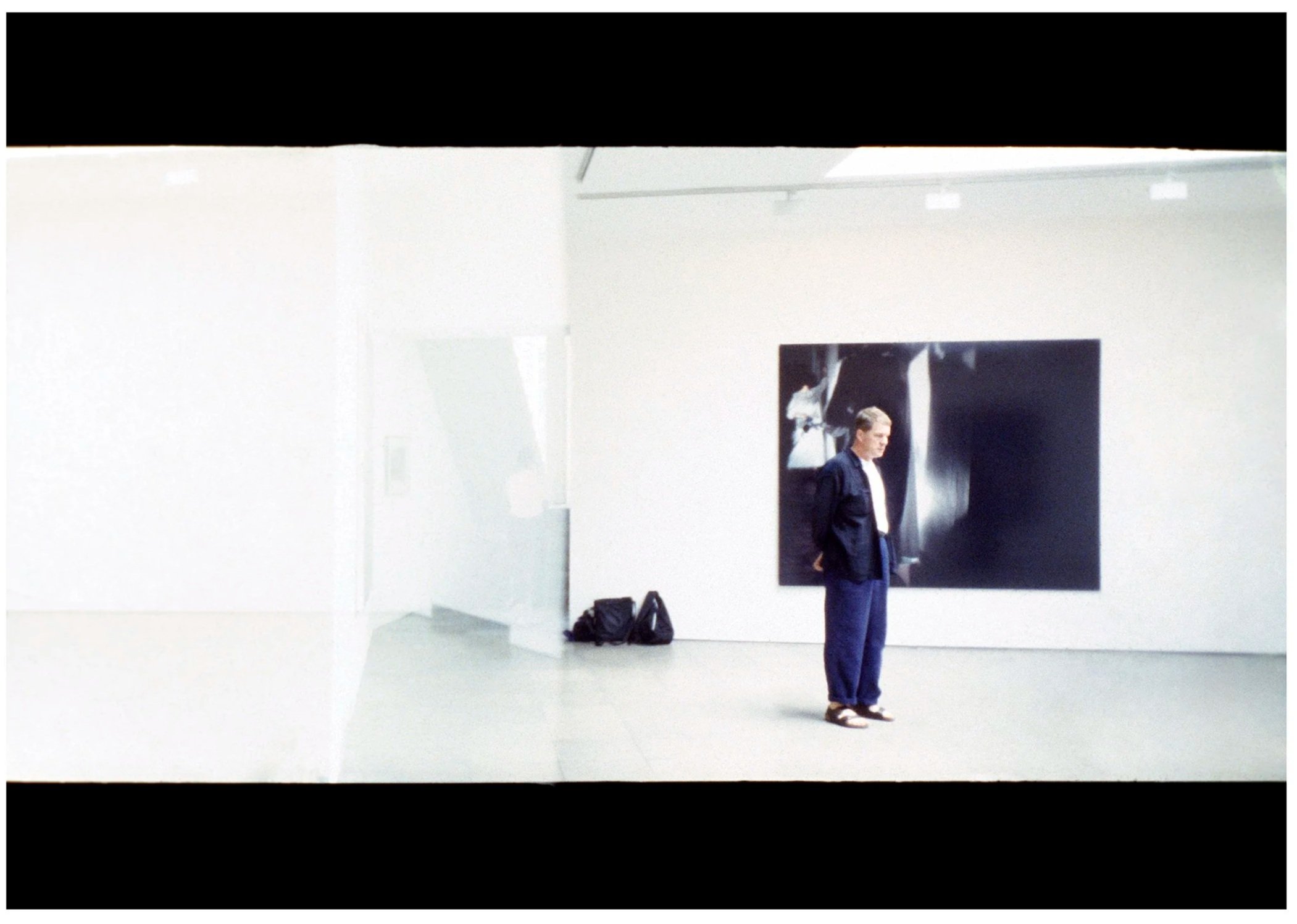
Tony-Fretton, Architect Lisson Gallery, 1996. Work on view John Hilliard
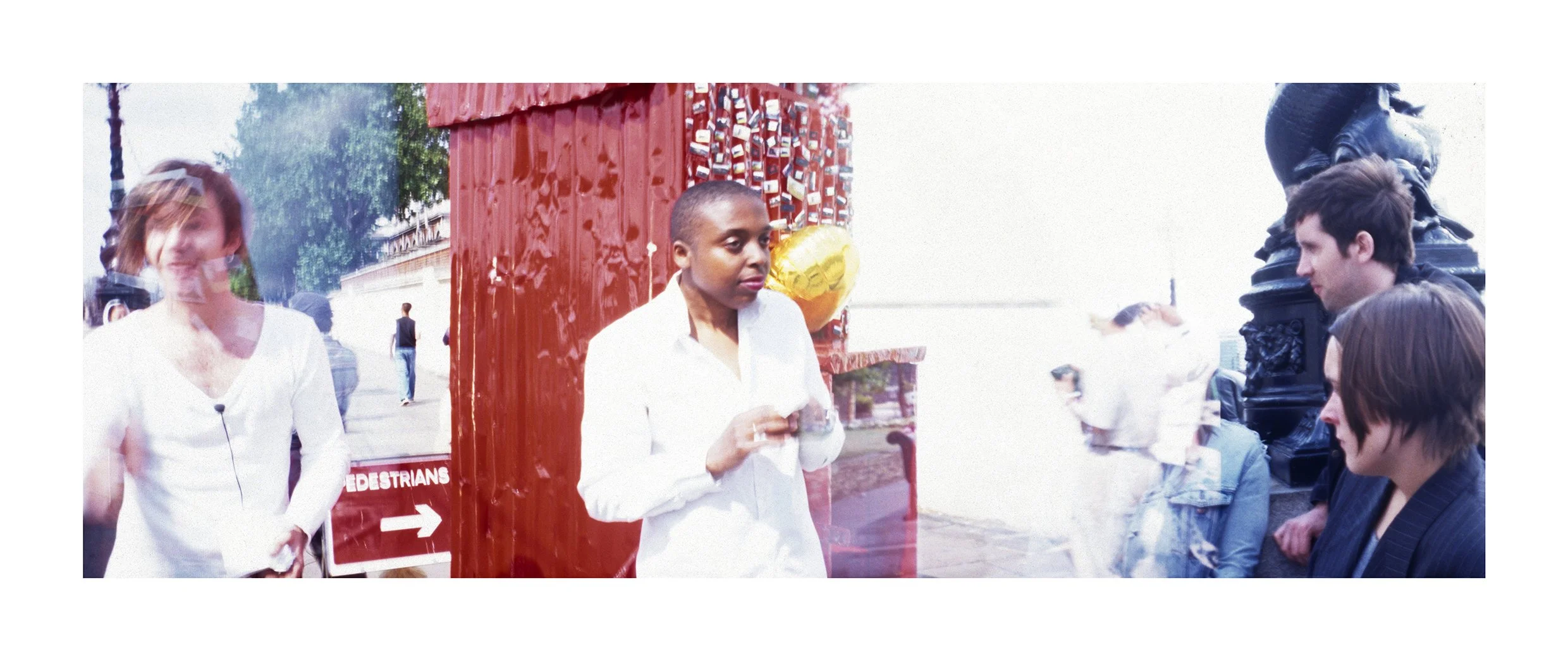
Participating in Fila’s Family Foto by Andrea and Philippe, Lambeth Pier. Jenette Parris, Sarah Lucas and Angus Fairhurst, 23 June 2996
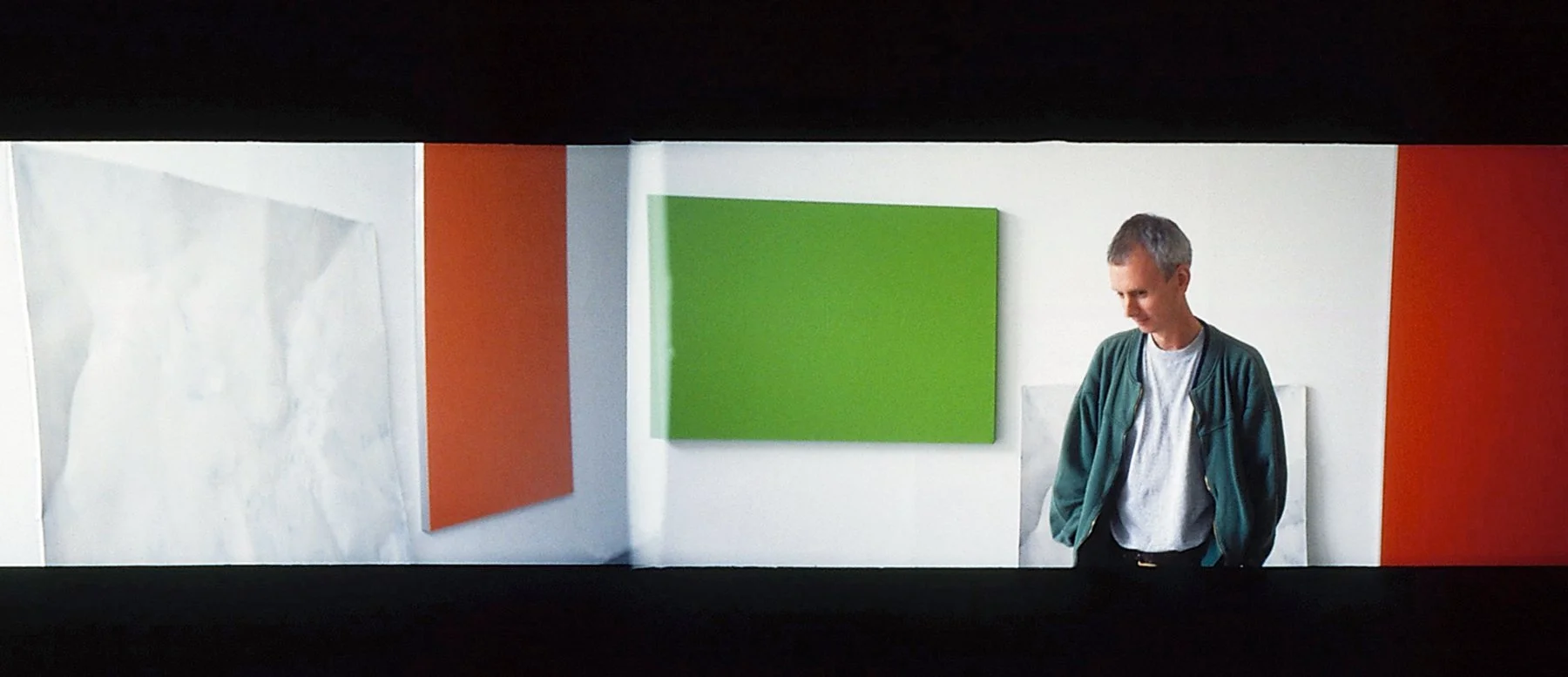
Alex Landrum. at his studio, Curtain Road Arts, 1996

Tracey Emin, Participating in Fila’s Family Foto, 23 June 1996
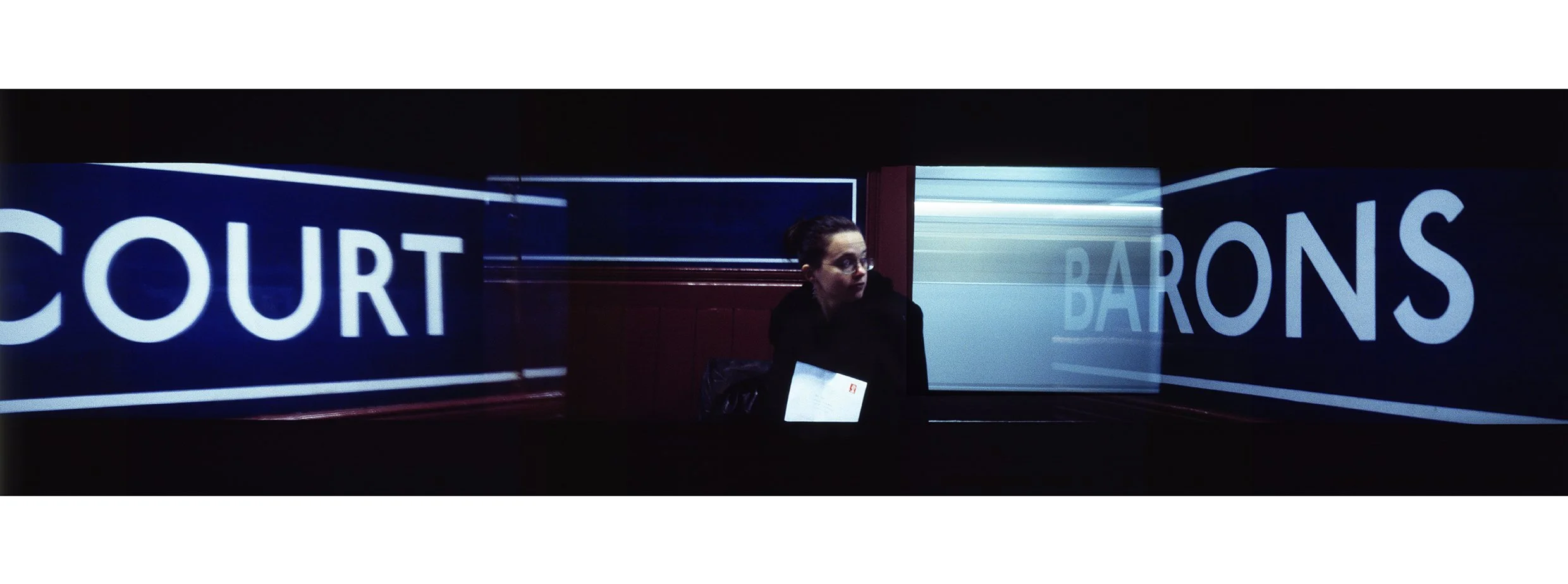
Jean Mceil. Barons Court London, 1999
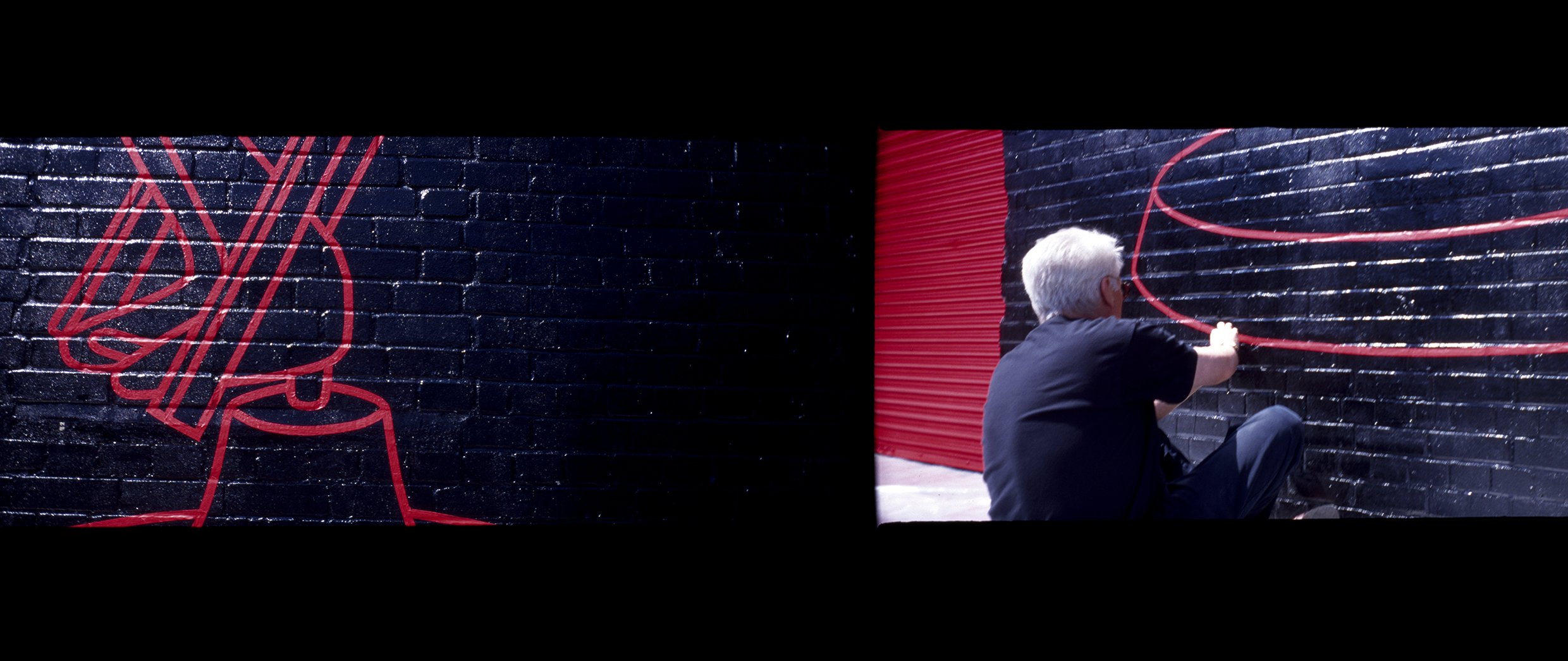
Michael Craig-Martin, creating one of his first large-scale drawing. Borough High St, 1995
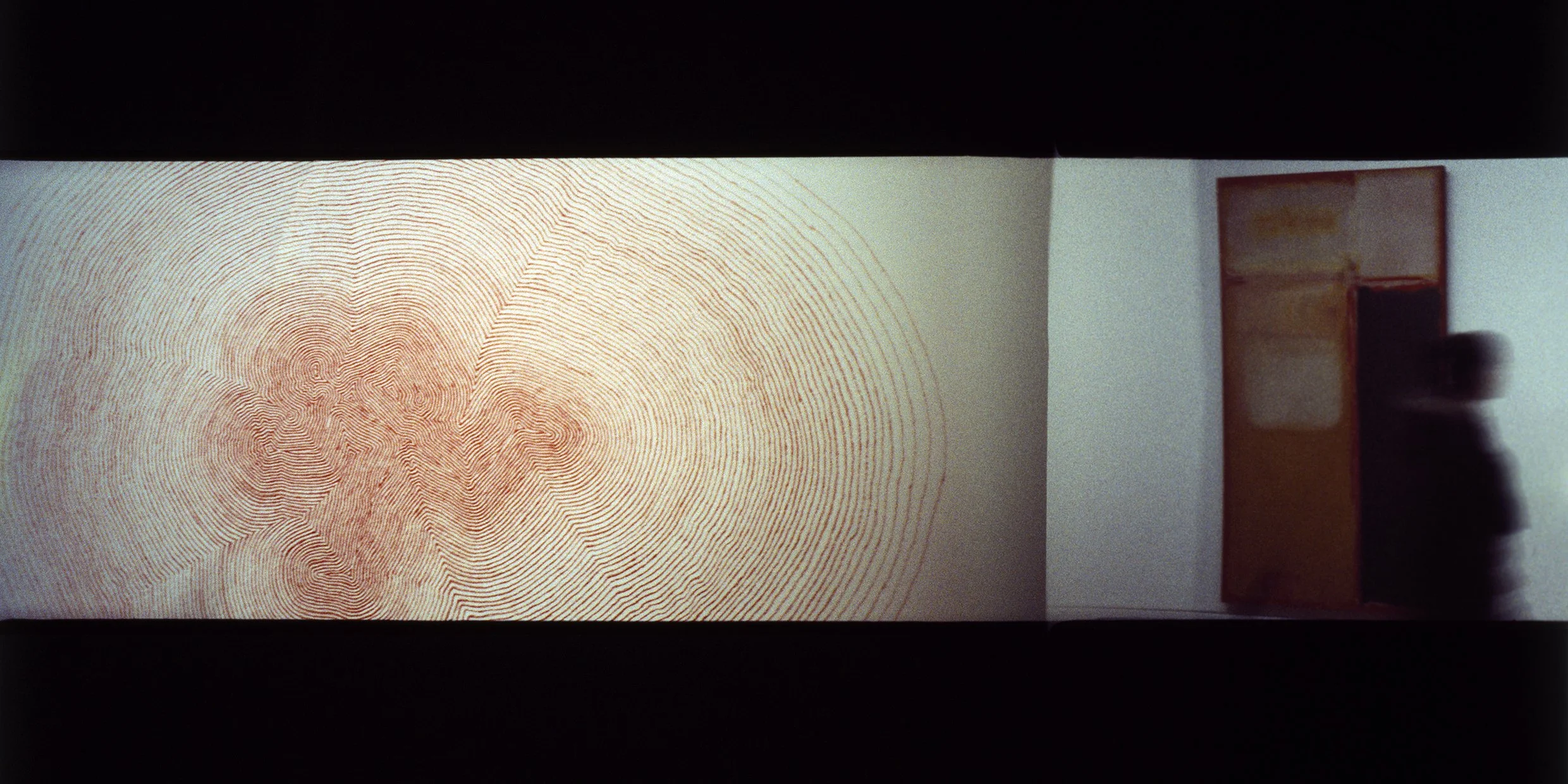
Whitechapel Gallery during the assembly of the Centenary exhibition, 2001. Work on view Antony Gormley, Exercise between Blood and Earth and Mark Rothko
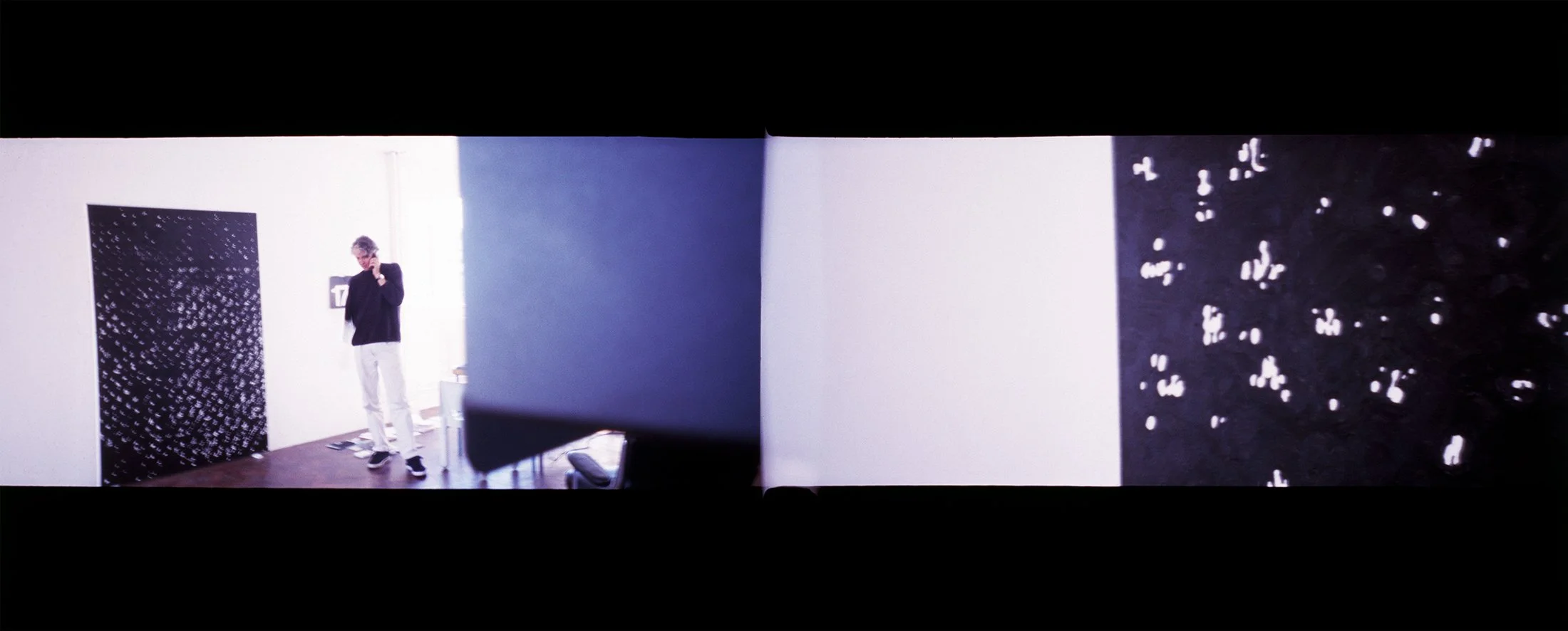
Mark Pimlott. Clerkenwell London, 1999
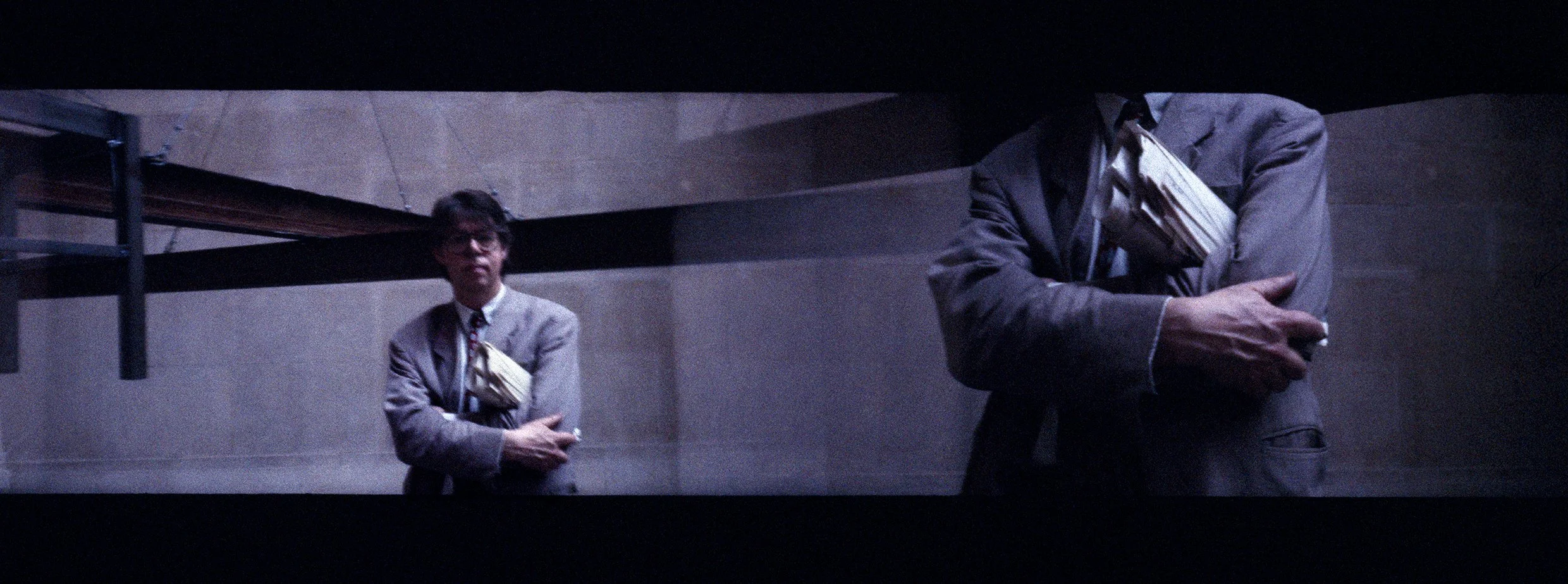
Andrew Brighton, Senior Curator, Public Program, Tate. Tate Britain, 1996
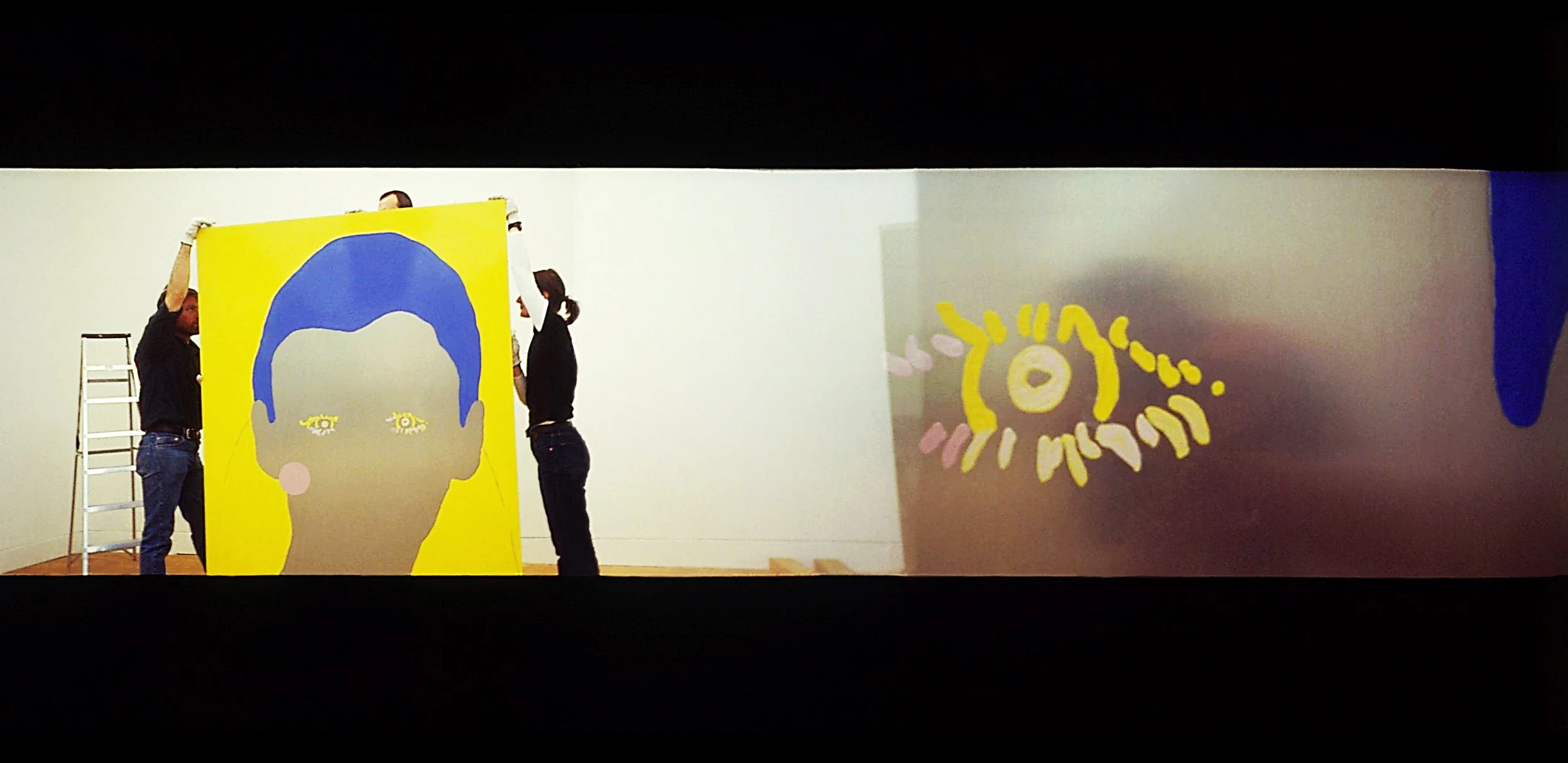
Gary Hume, Solo exhibition, Whitechapel Art Gallery 1999
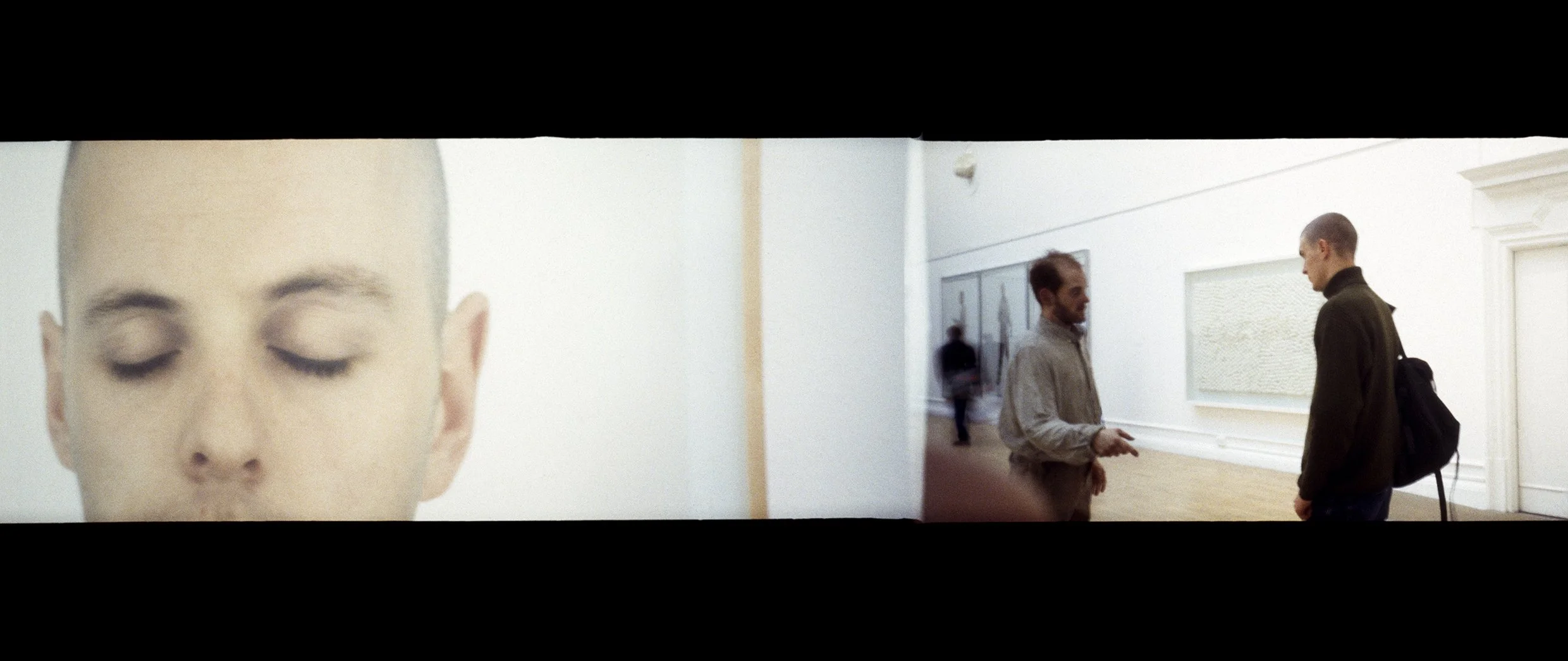
Gavin Turk: The Staff Show, South London Gallery 1998
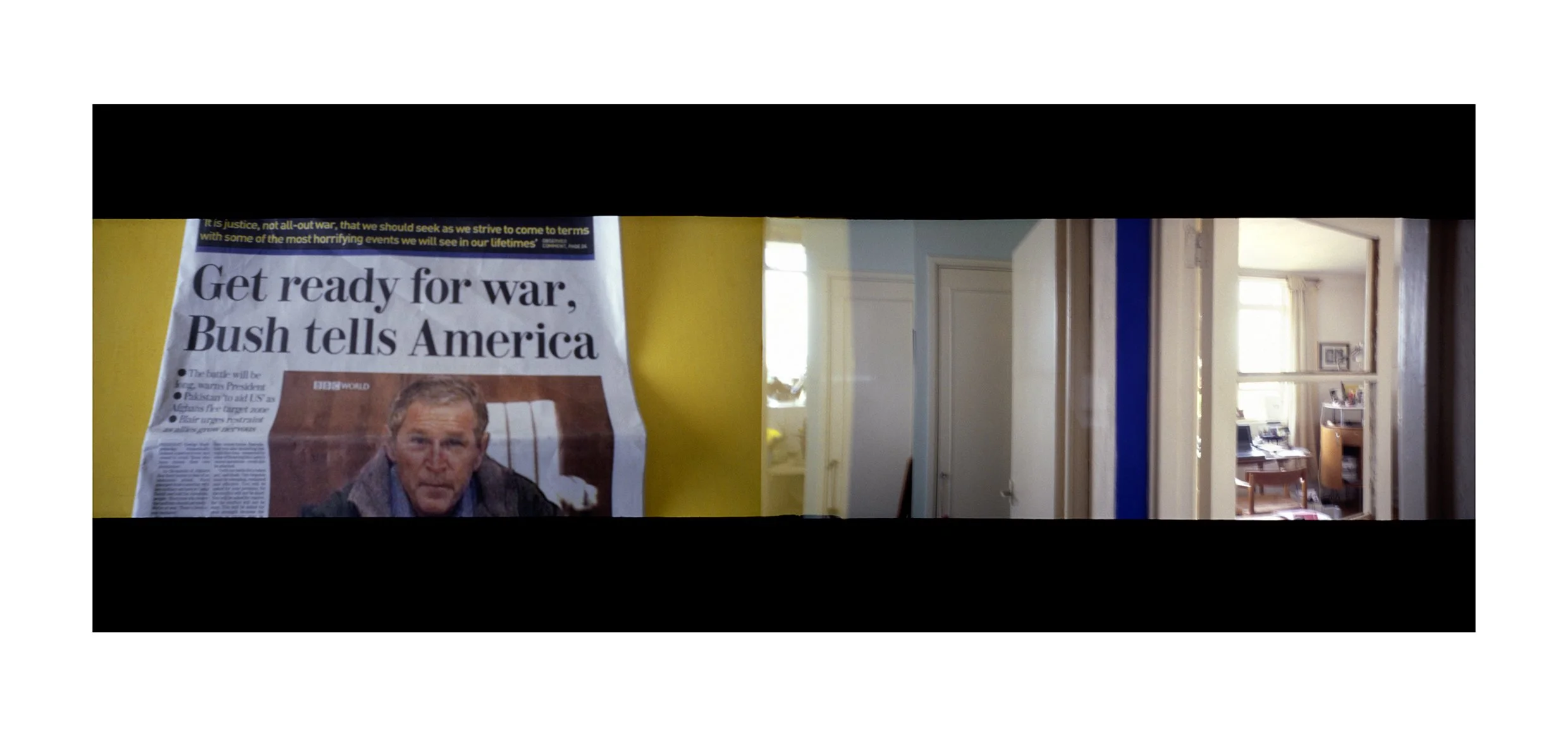
Get ready for war, Bush tells America. Landmann House, September 2001
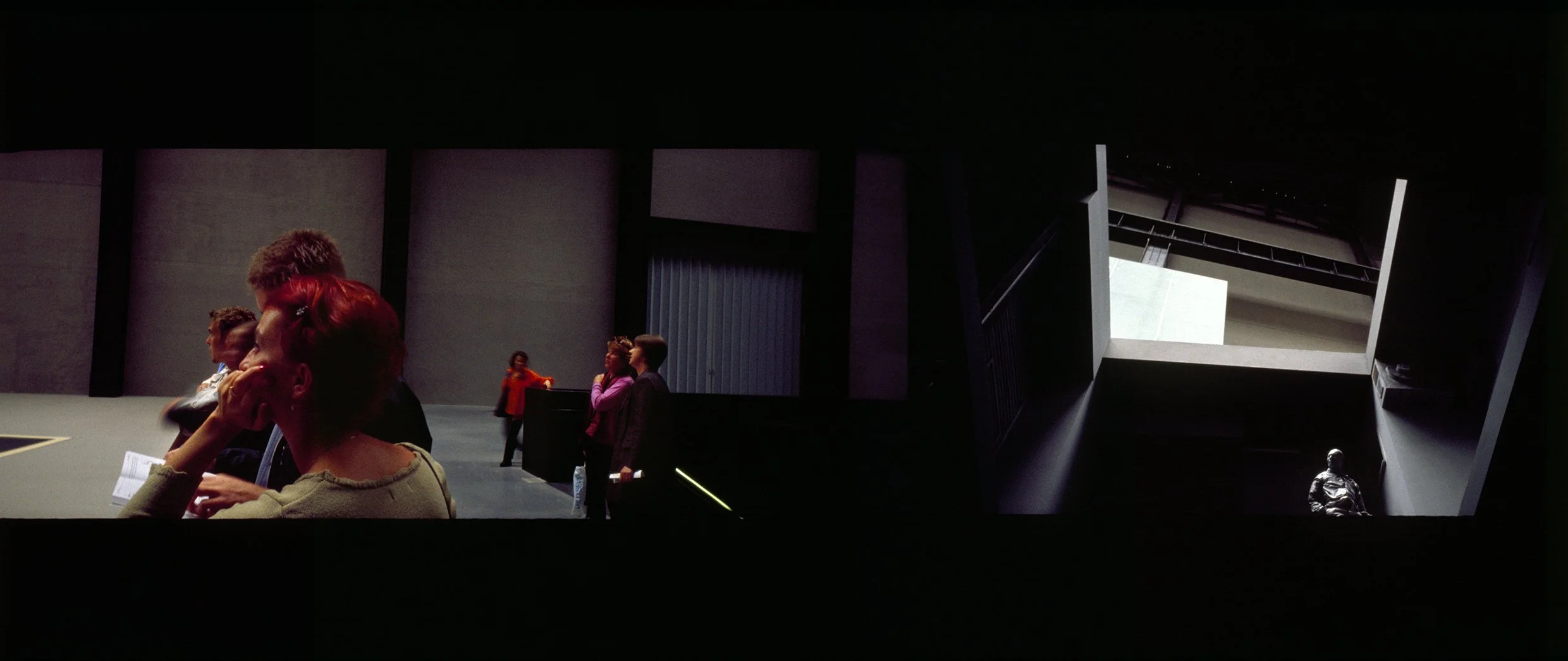
The Unilever Series: Juan Muñoz, Double Bind, June 2001, Turbine Hall, Tate Modern
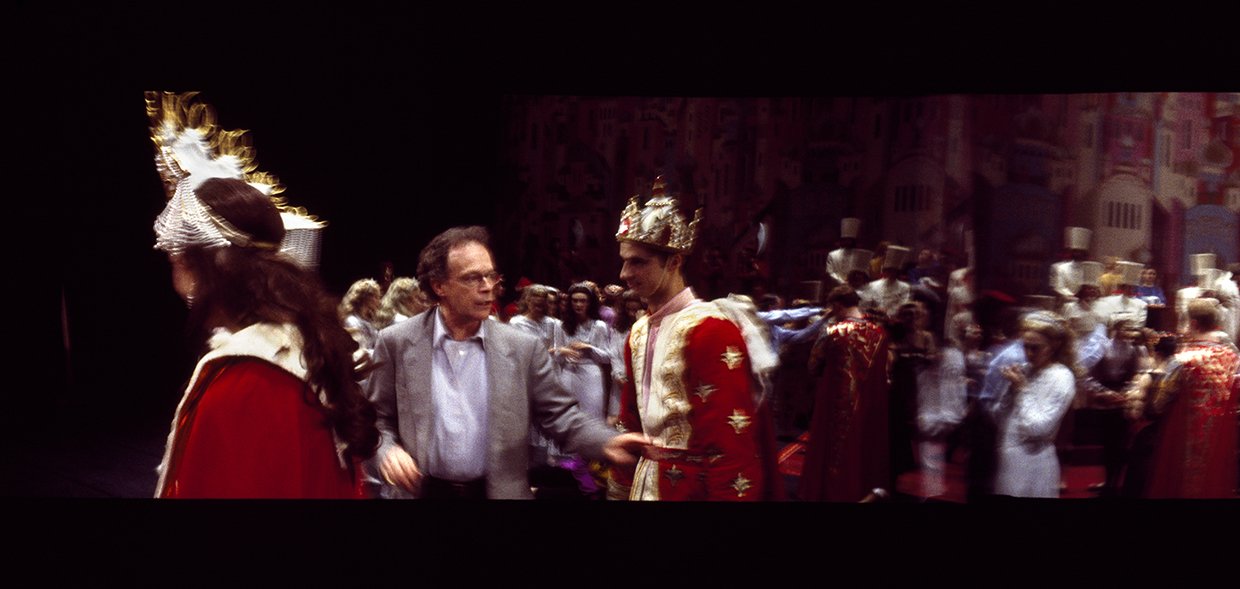
Royal Opera House, Anthony Dowell, director of the Royal Ballet, principal dancers Jonathan Cope and Elizabeth McGorian during Nutcracker rehearsals, 1999
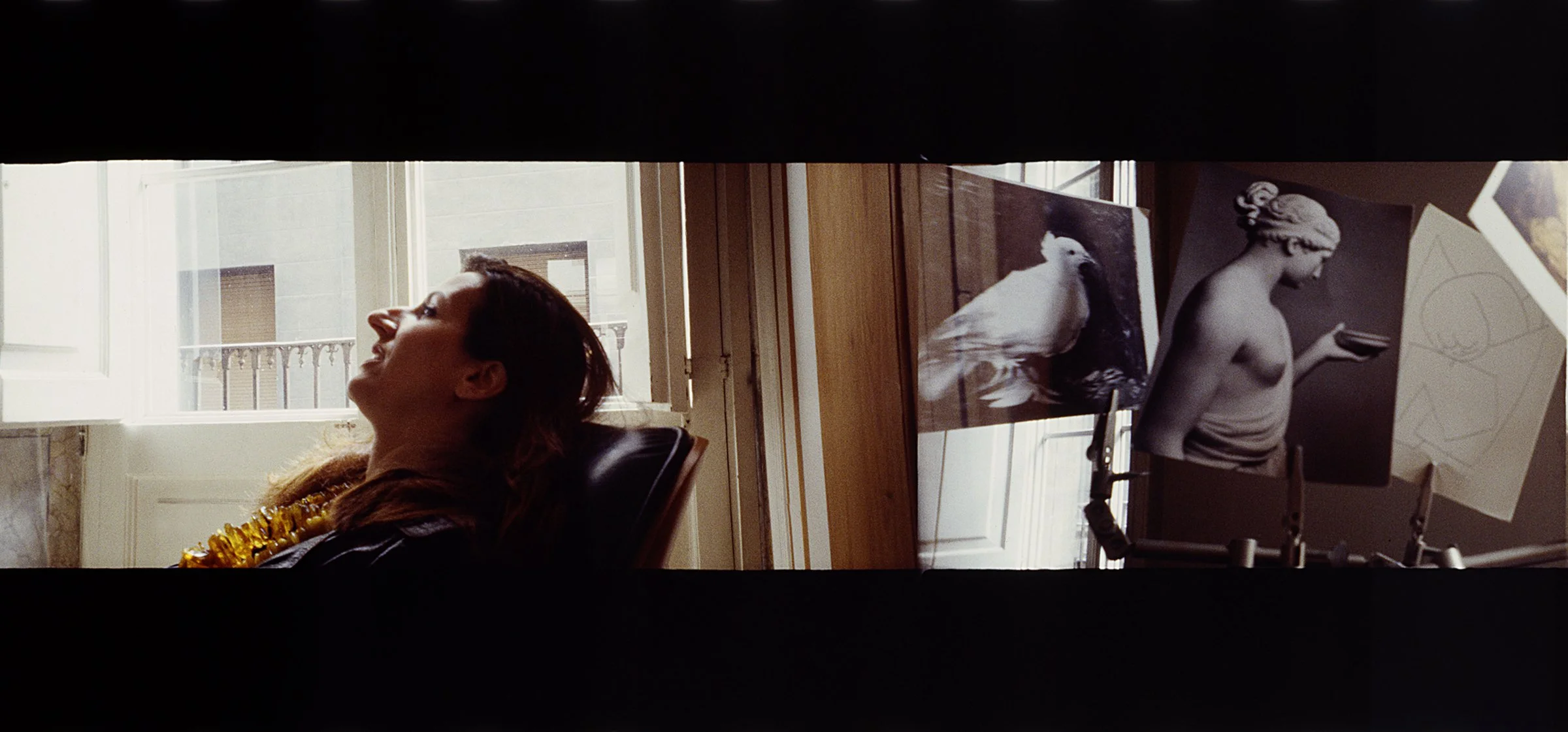
Benedetta Tagliabue, Architect, 2001
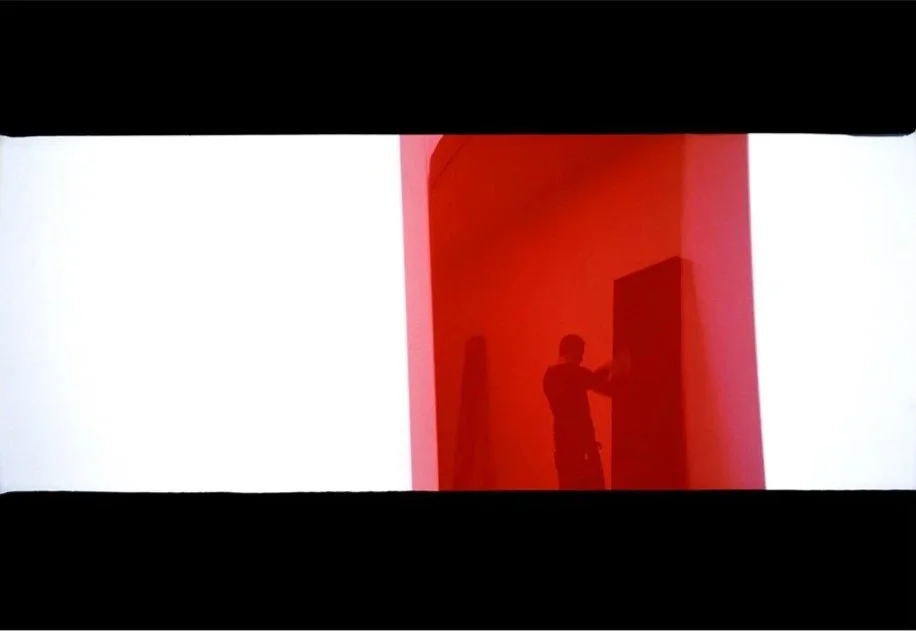
John McCraken, Lisson Gallery, 2002
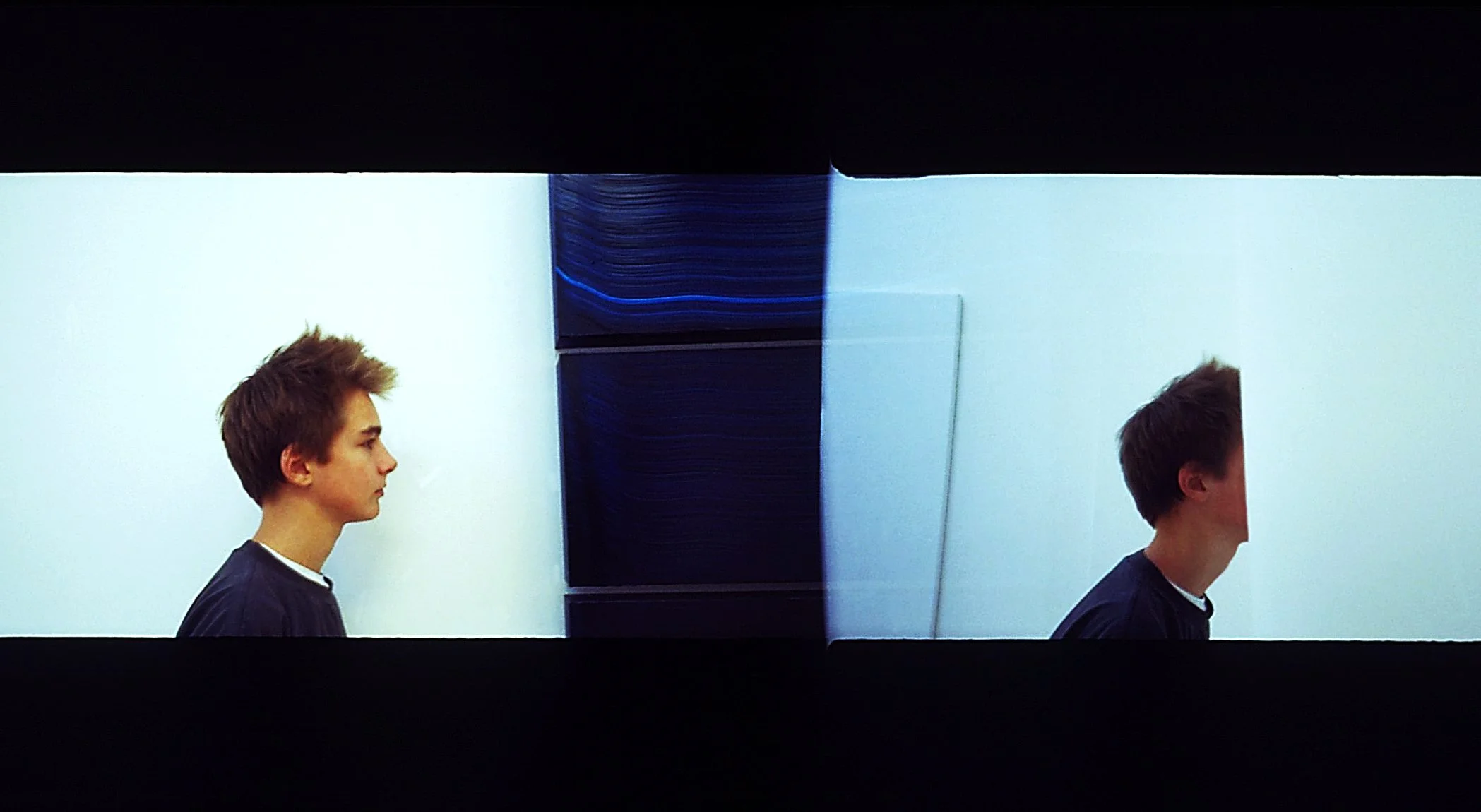
Alex Logsdail, Lisson Gallery, London 2001
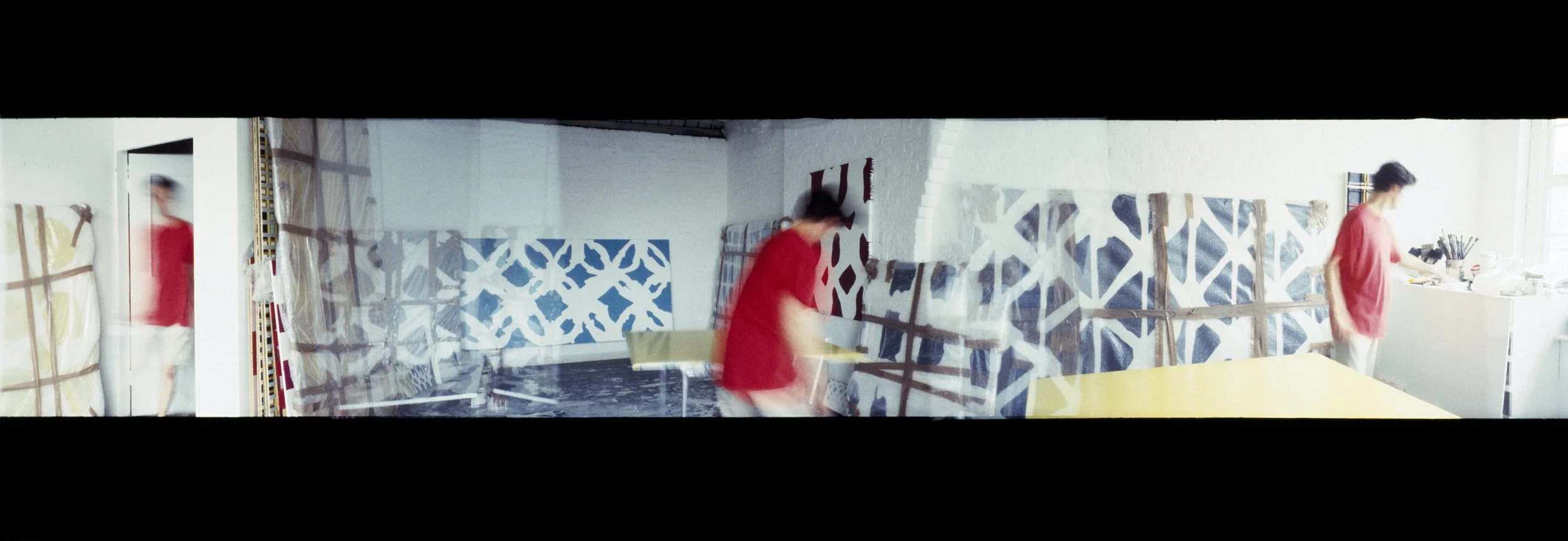
Michael Stubbs at his studio Curtain Road Arts, 1996
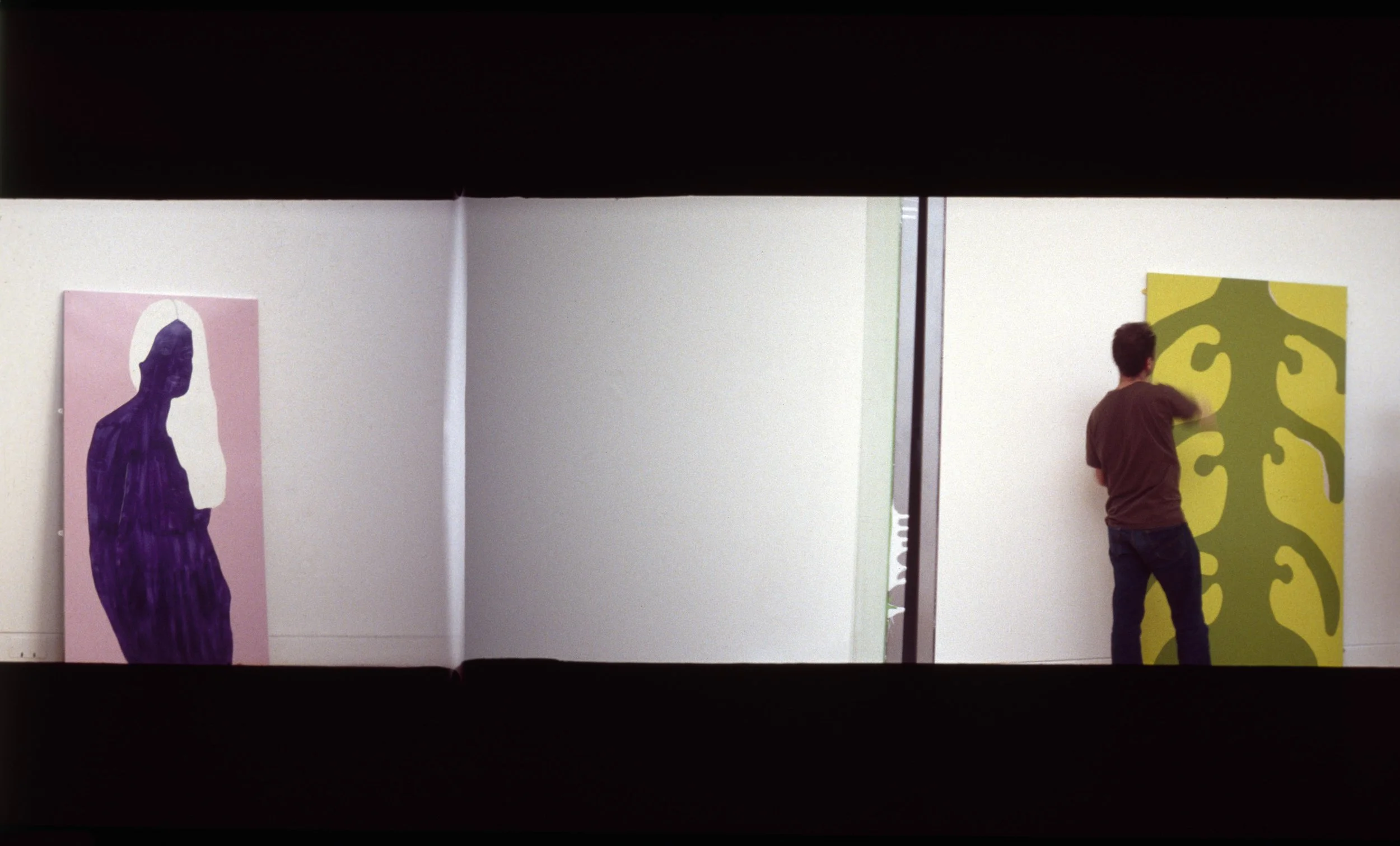
Gary Hume, Solo exhibition, Whitechapel Art Gallery, 1999
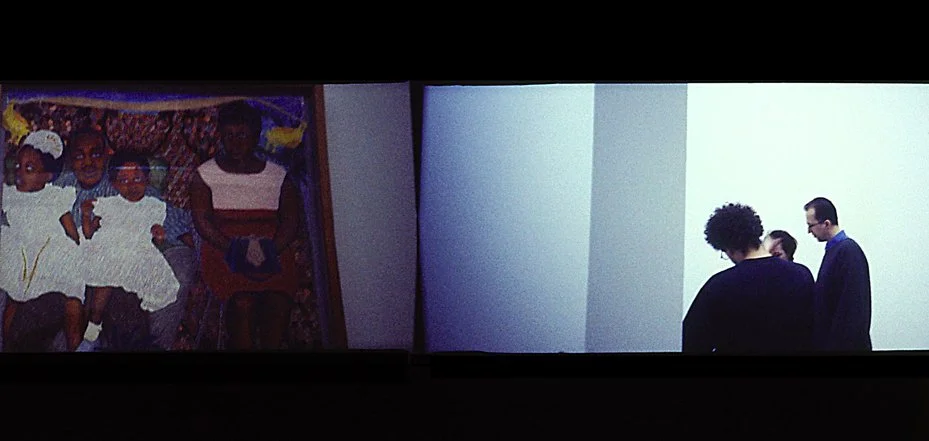
Whitechapel Gallery during the assembly of the Centenary exhibition, 2001. On view Andrea Trasia and Sonia Boyce, 'She Isn't Holding Them Up, She’s Holding On (Some English Rose)’, 1986
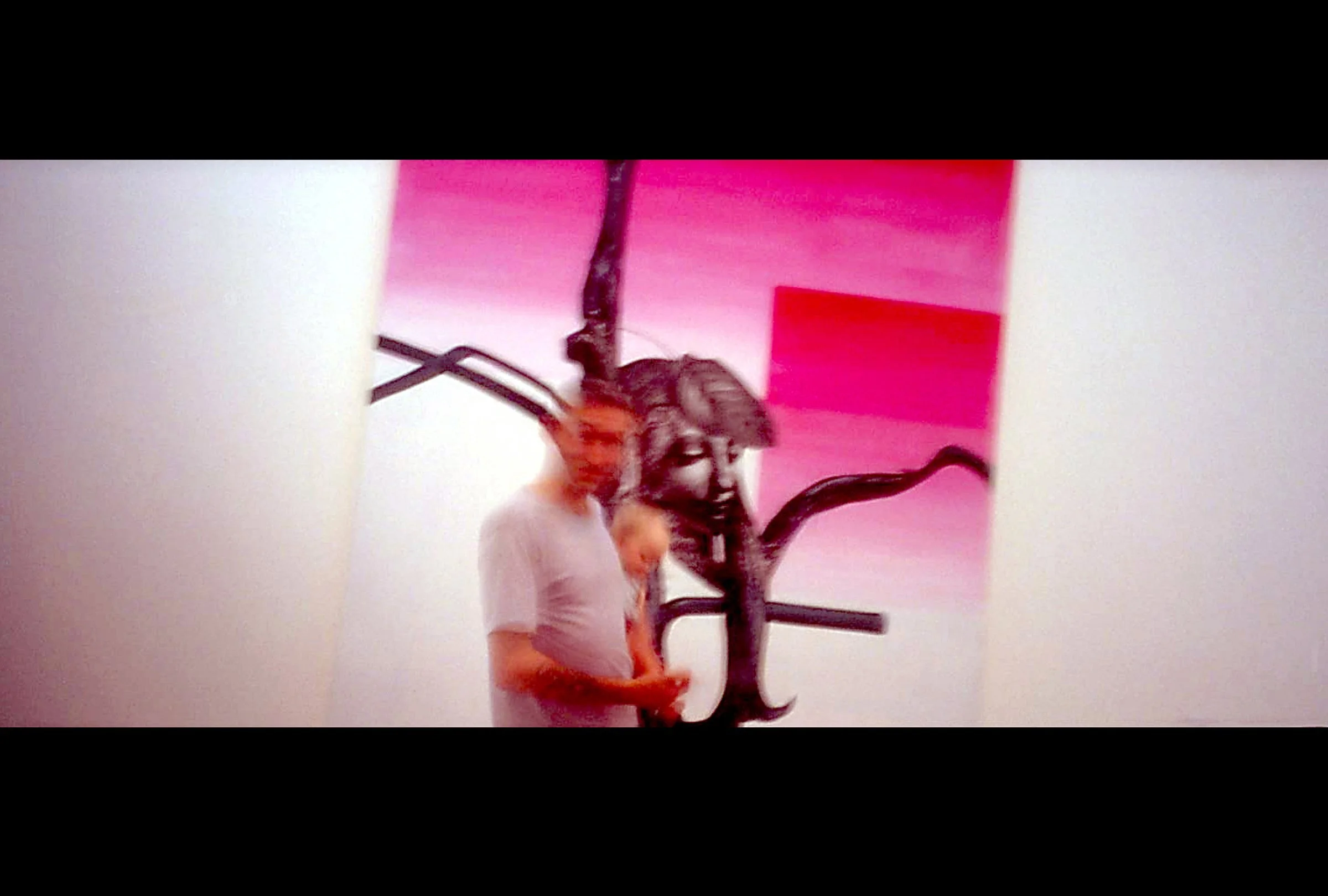
Christian Anstice and daughter at Whitechapel Art Gallery 2006 - Work on view Woman in the Tree II, 2005 by Albert Oehlen
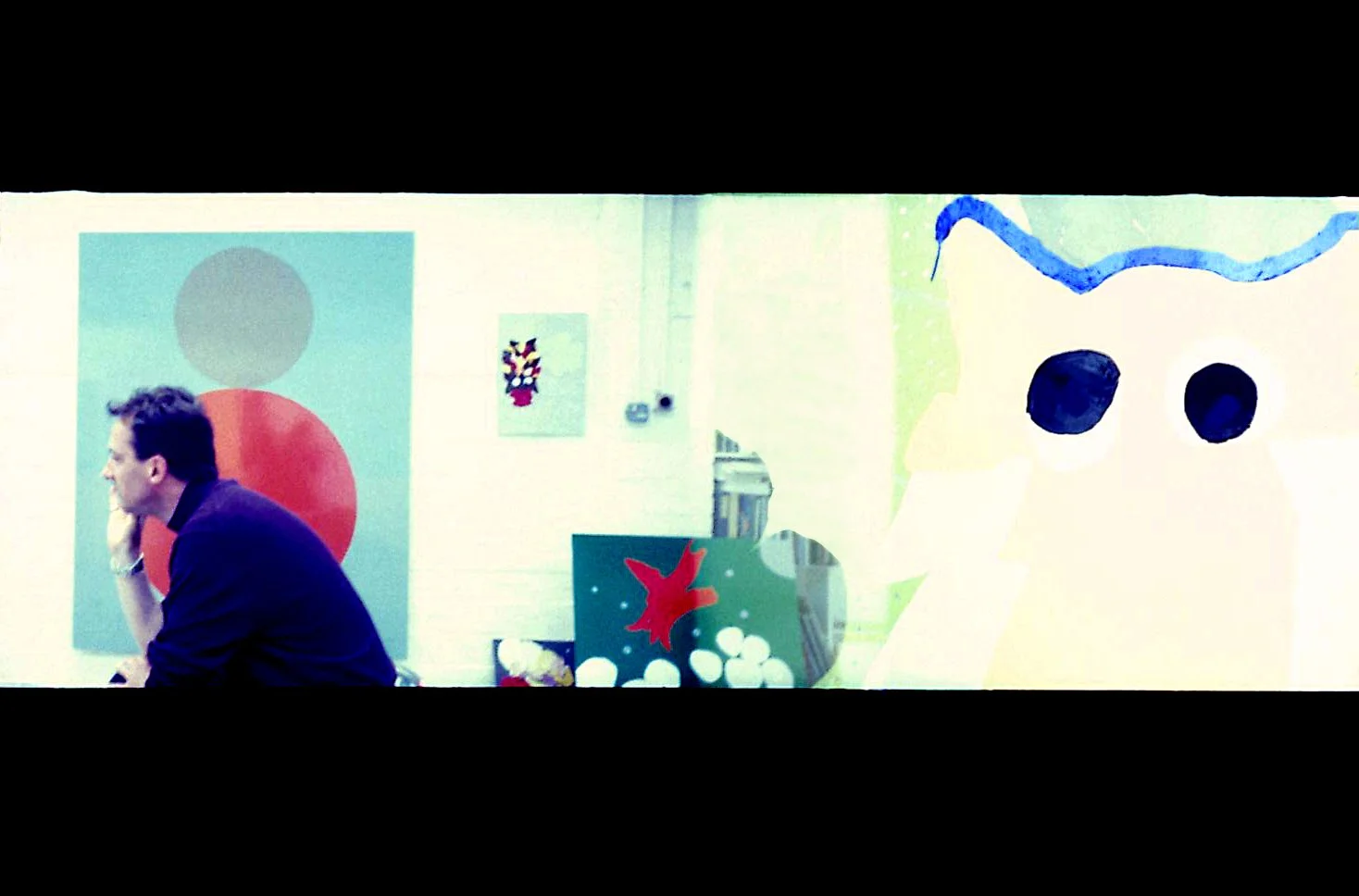
Gary Hume, Hoxton Square, Shoreditch, 1995
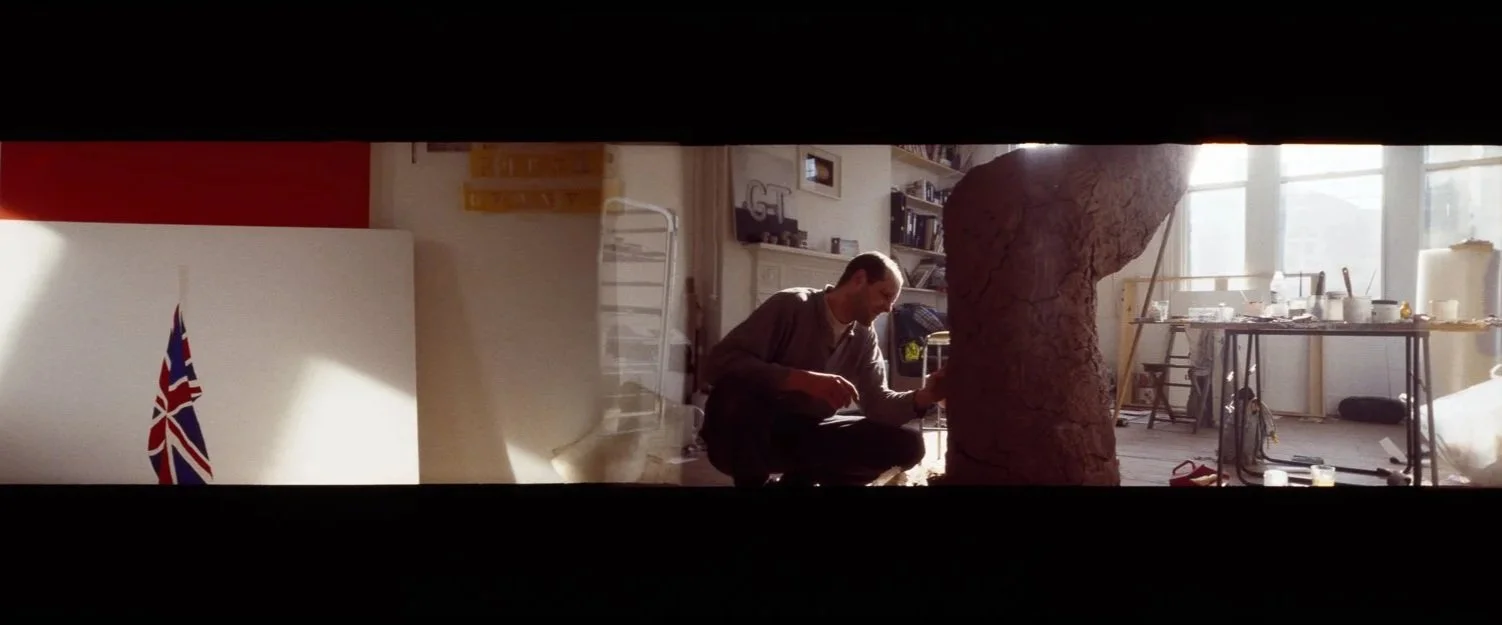
Gavin Turk, 144 Charing Cross Road, 1996
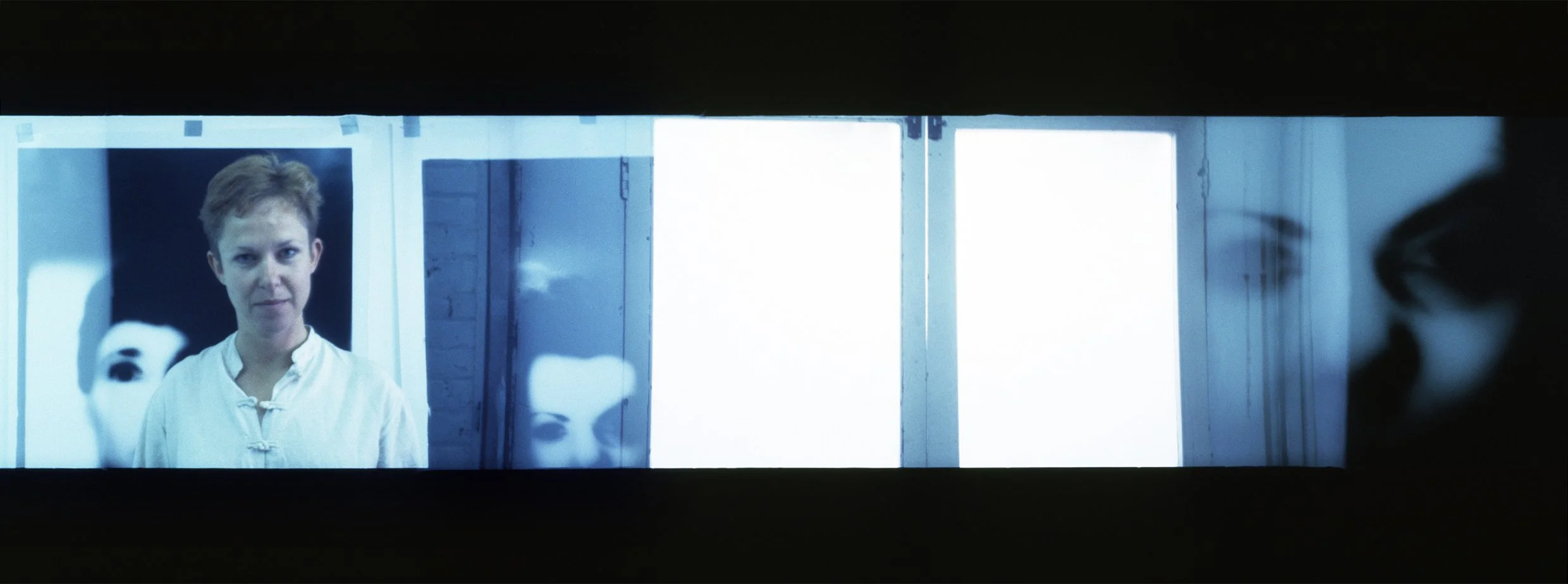
Helen Sear, Boundary Studios, 1996
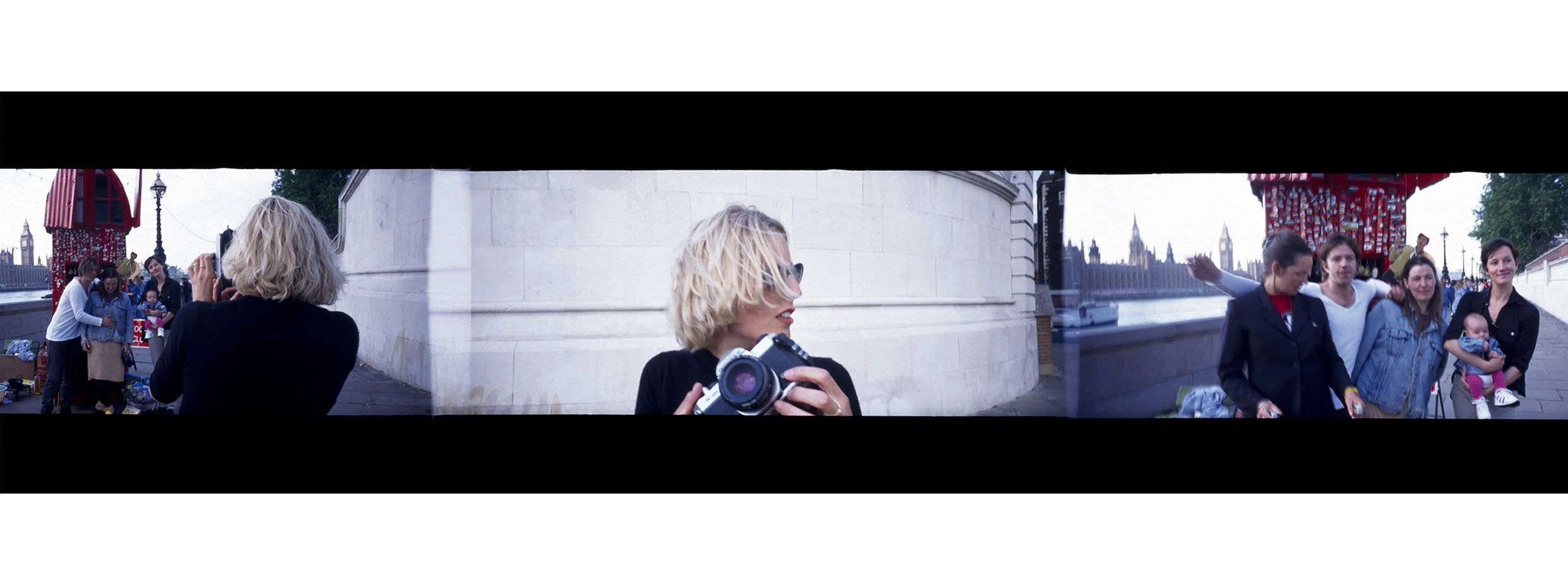
Fila’s Family photo. Georgie Hopton, Margot Heller, Philippe Bradshaw, Andrea Mason, Fiona Rae and Fila, 1996
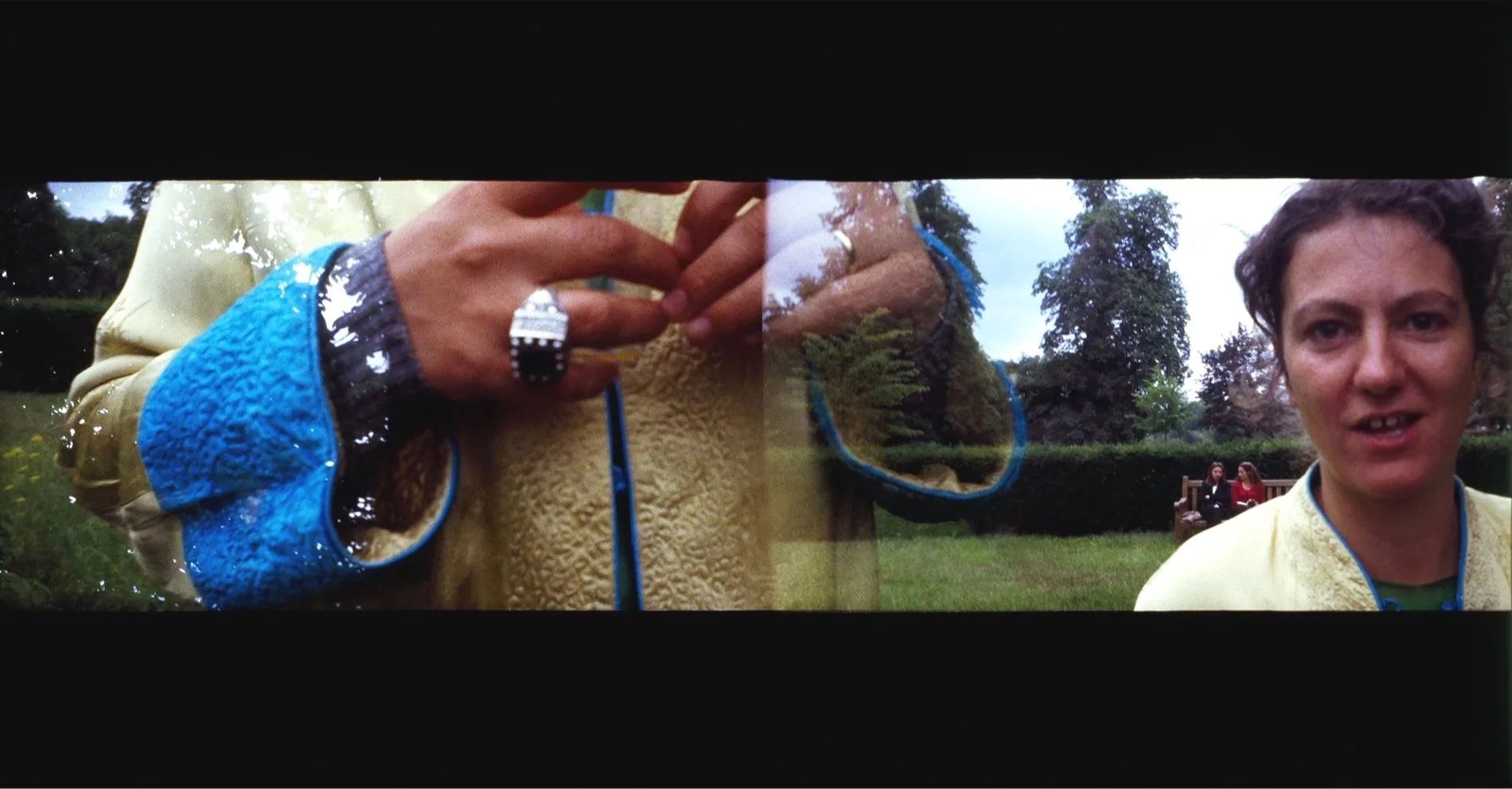
Anya Gallaccio, Keep off the Grass - Serpentine Gallery, 1997
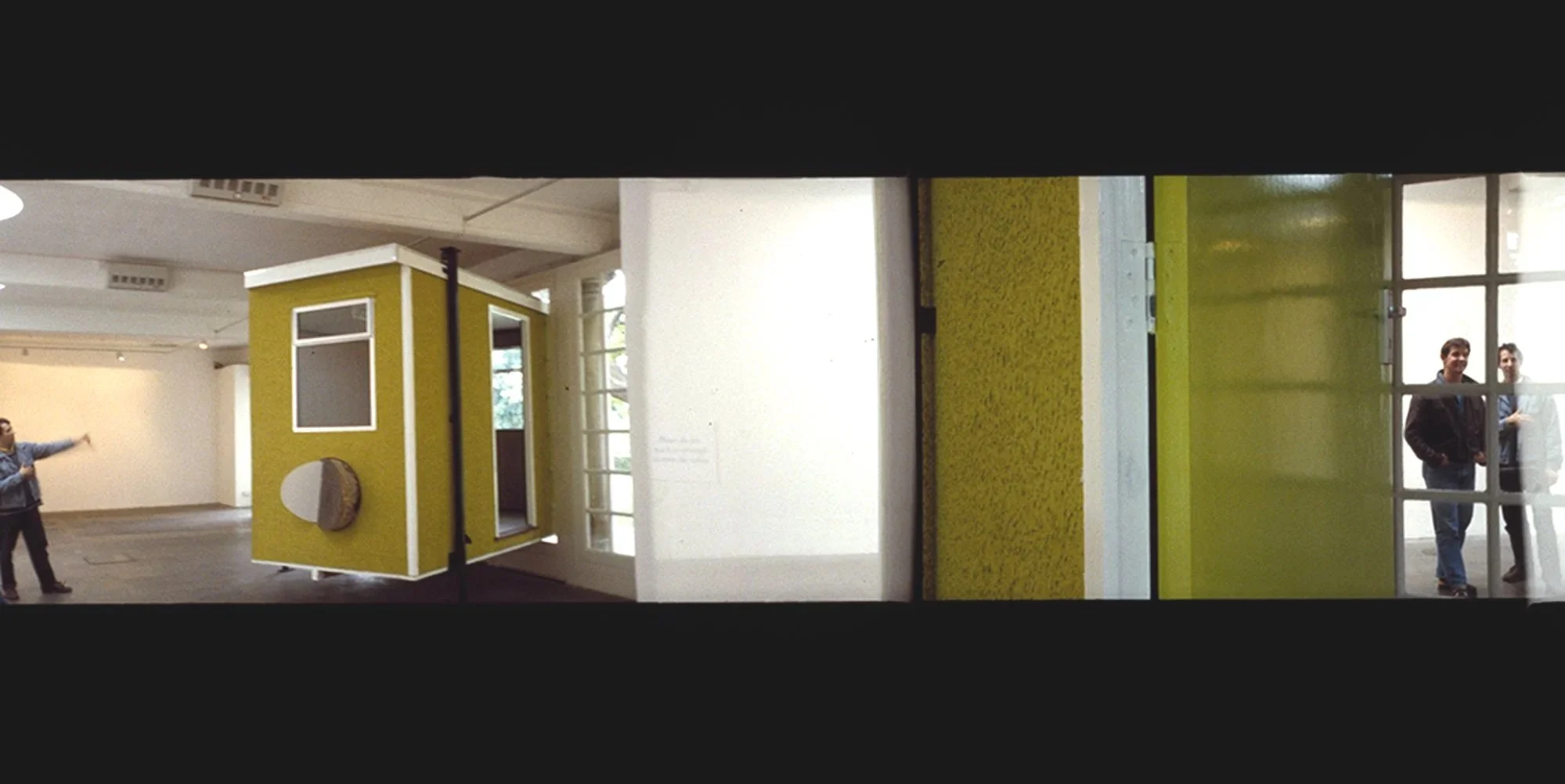
Richard Wilson: Jamming Gears. Serpentine Gallery 1996

A Penetrating Guest, 40 Landmann House, work on view by Salvador Dali ‘Galarina’ 1944-45, London, August 1997
Space at the Centre
Andrew Wilson
Diego Ferrari’s photographs, taken predominantly in the 1990s, chart an aspect of cultural production during that decade that lay far from the headline image-capture of the Young British Artist celebrities of the era. The emulsion that binds his representations of artists within their studios, of museums and concert halls, is not fixed by flashbulb immediacy capturing gestural antics, but rather is governed by time – the exposure time and seeing time – and space, which is about point of view and depth of field as much as it is about space in which one sees. Additionally, the taking of the photograph, as much as looking at the finished photograph, is something performed as a critical tracking of the creative act both in and behind the viewfinder.
The particular camera that Ferrari used – a customised disposable camera – subverts orthodox photographic definition of space. Instead, a number of frames, usually three or four, suggest a continuous space that is broken up (or composed) by focus, blur and lateral peripheral vision, all coming together. Experience of sight is determined by movement encompassing multiple points of view, not held rigid within a one-point perspectival schema. Our two eyes coexist within our mobile breathing bodies and it is this that provides an immediate and tangible connection of recognition when faced by these photographs. And yet there is a paradox for Ferrari, because his process creates this reaction through stillness, as Nikos Papastergiadis has concisely explained in a 1997 text reproduced in full within this publication.
Artists of Ferrari’s generation (he studied at Goldsmiths between 1987 and 1991) emerged at a time when the making, distribution and reception of images was starting to proliferate and so becoming disembodied from the physical, the material, the visceral. Much of this is down to the growth of digital technology and the internet, which has also disrupted the way we experience all phenomena, arguably. Experience is a play of expectation between engagement and disengagement, connection and disconnection, participation and isolation, the social and the individual, the body and the immaterial. All of which can be complicated further through the understanding that, for instance, disengagement (in both metaphorical and literal senses, including the detaching of the conventional film advance mechanism of a camera) can indicate increased engagement from another point of view. Such polyvalency describes movement through spaces and is at the heart of Ferrari’s photography.
Ferrari references key antecedents for his work as Marcel Duchamp, Gordon Matta-Clark, Sol LeWitt and Franz Erhard Walther. For each artist he identifies a particular work that describes structure, repetition (or mirroring) but, most crucially, passage between thresholds or hinges from or through one place to another: Duchamp’s Door, 11 Rue Larrey, Paris 1927; Matta Clark’s Bronx Floors: Four-way Wall, 1973; LeWitt’s Incomplete Open Cubes, 1974 and Walther’s Element N°35: 28 Standstellen, 1967. It is too obvious to suggest that the space within Ferrari’s camera is his studio space, somehow ordering the spaces within which his subjects are portrayed. Yet in this respect Duchamp’s Door becomes a kind of diagram to the operation of the camera of which the photograph provides a trace. The trace spontaneously reveals the body physically inscribed as part of social space, recognised in his dialogue with the camera and the studio as being places of passage and change – a process the artist Jon Thompson, who was a tutor and mentor of Ferrari’s, described as “the contradictory nature of the photograph: the visibility and invisibility of its subject; the at once corporeal and yet spectral nature of the photographic image; its gift of a simultaneously tactile but untouchable presence.”
Thompson’s observation strikes at the core of these photographs, which describe different affects of passage present in the making of the image – the mechanics of pressing the shutter as much as the personal exchange between Ferrari and his subjects – but more fundamentally in what we approach as viewer. These photographs show us portraits that are both revealed and shrouded in time, rendered as an ever-shifting view of space, in and out of focus, varying depths of field, yet all from a still camera. Tangible, yet out of reach.
London, 2020
These photographs are a short selection from the archival Space at the Centre, London 1994-2007 of around 800 photographs.